
In today’s fast-paced digital landscape, brands are no longer just focused on selling products—they are focused on telling meaningful stories. Customers don’t simply purchase what you sell; they connect with the reason behind it. A well-crafted story can transform an ordinary product into a memorable experience, helping brands build emotional connections with their audience. These connections foster trust, loyalty, and relationships that extend far beyond a single transaction.
With the emergence of Artificial Intelligence (AI), storytelling has evolved significantly. AI is not a replacement for creativity—it enhances it. By using thoughtfully designed prompts, businesses can generate engaging, high-quality narratives that feel authentic and persuasive. These prompts act as creative guides, helping turn ideas into structured stories that deeply resonate with the target audience.
Why These 5 Prompts Are Important
Not every prompt delivers impactful results. These five prompts stand out because they are rooted in proven storytelling techniques and human psychology. They focus on emotion, relatability, and transformation—three essential elements behind effective marketing. Each prompt serves a distinct purpose, enabling brands to communicate their identity, showcase their impact, and highlight their uniqueness.
Using these prompts allows brands to move beyond generic content and create stories that truly connect. They simplify complex ideas, make communication more memorable, and guide customers through a journey instead of just presenting information. In today’s competitive environment, storytelling is no longer optional—it is essential.
The Origin Story Prompt
Prompt:
“Develop a powerful and engaging brand story about a company that was born out of a real challenge or unmet need. Share the founder’s journey, the obstacles they overcame, the turning point that reshaped their path, and the purpose that drives the brand forward. Keep the tone heartfelt, inspiring, and emotionally compelling.”
Why it works:
Every brand has a beginning, and people naturally connect with stories of struggle and success. An origin story builds authenticity and humanizes your brand. When customers understand your journey and purpose, they are more likely to trust and support you.
How to improve it:
- Include real challenges such as financial struggles or failures
- Add a defining turning point or breakthrough moment
- Use descriptive storytelling for better visualization
- Focus on purpose rather than just profit
Best used for:
About Us pages, pitch decks, investor presentations, founder interviews

The Customer Hero Journey Prompt
Prompt:
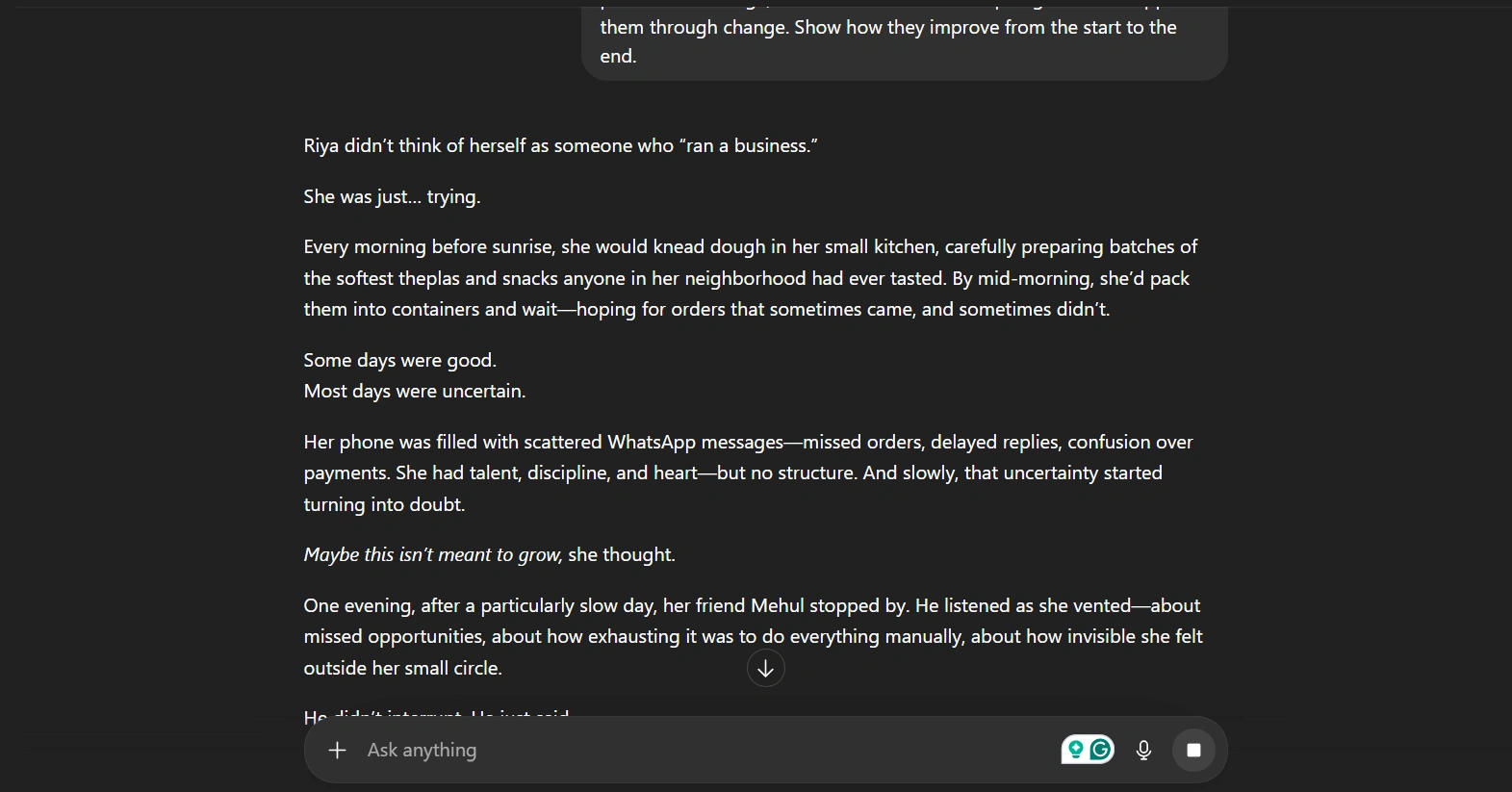
“Create a story where the customer is the main character dealing with a particular challenge, and the brand is like a helpful guide that supports them through change. Show how they improve from the start to the end.”
Why it works:
This approach places the customer at the center of the story. Instead of focusing on the brand, it highlights how the brand improves the customer’s life. It follows the classic Hero’s Journey framework, making it naturally engaging.Structure:
- Problem – The challenge the customer faces
- Struggle – Their pain and frustration
- Solution – How the brand helps
- Transformation – The final positive outcome
How to improve it:
- Use real-life customer scenarios
- Add emotional depth
- Show clear, measurable results
Best used for:
Case studies, ads, landing pages, customer success stories
The Brand as a Character Prompt
Prompt:
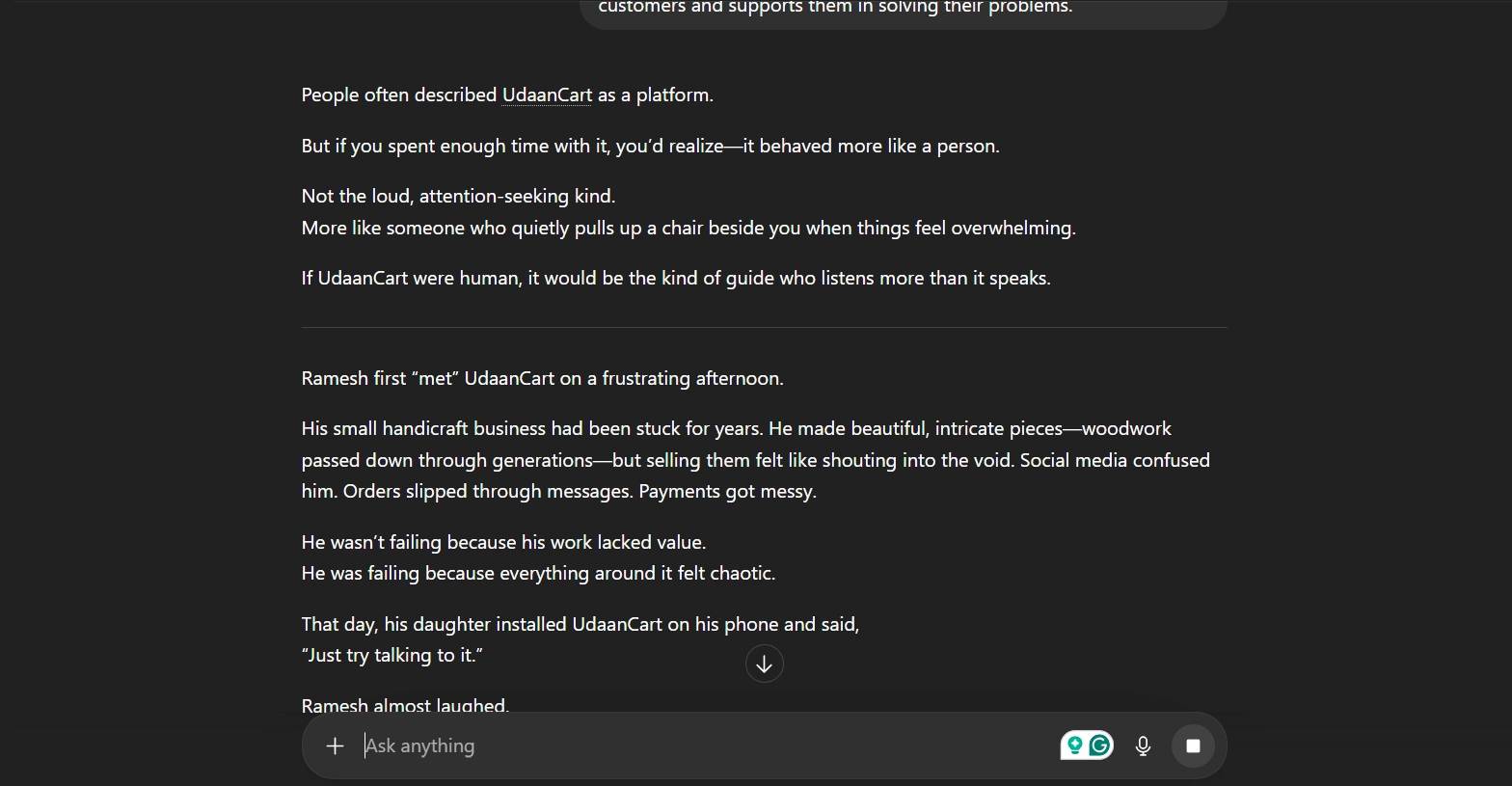
“Portray the brand as a lifelike character with a distinct personality, core values, notable strengths, and relatable flaws. Create a narrative that illustrates how this character builds meaningful connections with customers and supports them in solving their problems.”
Why it works:
People relate more to personalities than companies. When a brand feels human, it becomes more relatable and memorable. This approach also helps maintain a consistent voice across platforms.
Tips:
- Define your tone (friendly, bold, witty, caring)
- Include both strengths and imperfections
- Stay consistent in communication
Example idea:
Think of your brand as a mentor, friend, or challenger based on your niche.
Best used for:
Social media, brand identity, creative campaigns, storytelling ads
The Emotional Transformation Prompt
Prompt:
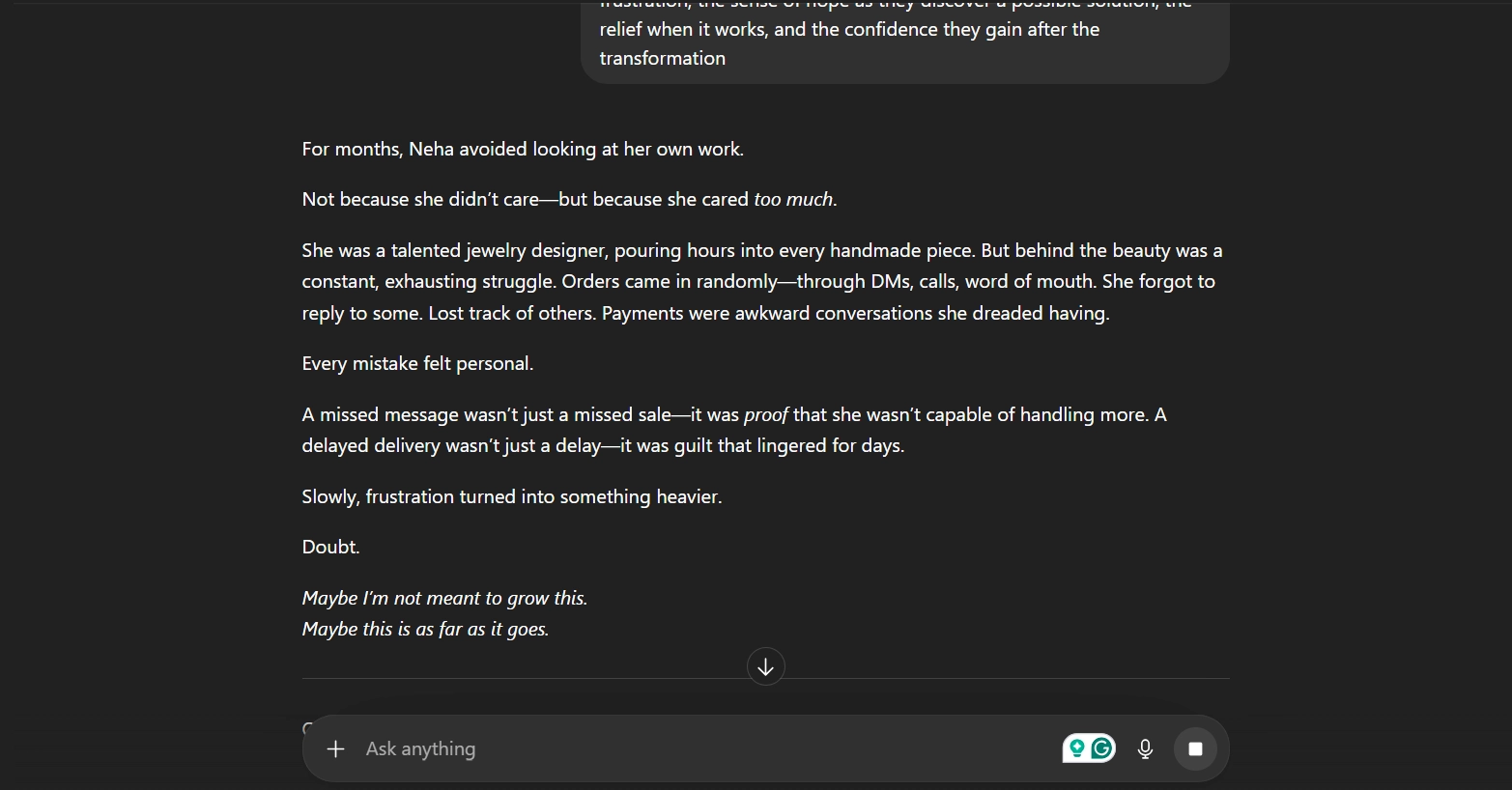
“Create a narrative that captures a customer’s emotional journey before and after experiencing a product. Highlight their initial struggles and frustration, the sense of hope as they discover a possible solution, the relief when it works, and the confidence they gain after the transformation..
Why it works:
Emotions strongly influence buying decisions. Customers go through multiple emotional stages before making a purchase. Capturing this journey makes your message more impactful.
Key emotions:
- Fear – The problem they face
- Hope – The possibility of a solution
- Relief – When the solution works
- Pride – The final outcome
How to improve it:
- Use storytelling language instead of plain facts
- Focus on inner feelings, not just results
- Keep it realistic and relatable
Best used for:
Video content, testimonials, social media, email campaigns
The “Transformation Story” Narrative Prompt
Prompt:
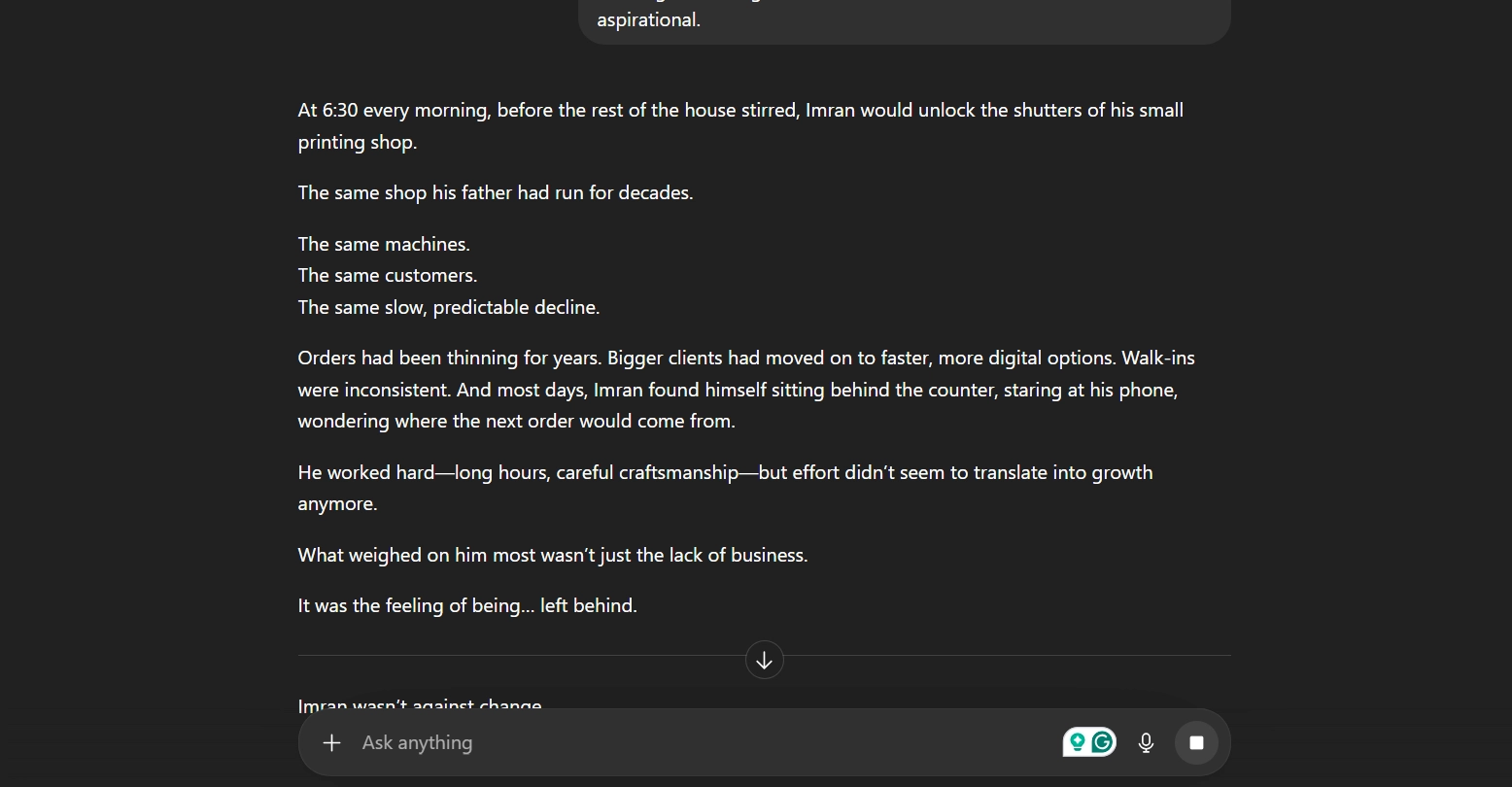
“Paint a compelling picture of the customer’s journey from their current struggles to their desired success using the brand. Show how the product or service becomes a turning point in their life or business, creating a meaningful transformation that feels both realistic and aspirational.”
Why it works:
People don’t just buy products—they buy outcomes. This prompt focuses on emotional and practical transformation, helping customers visualize how their life improves after using the solution. It builds desire and relatability at the same time.
How to improve it:
- Show a clear “before vs after” transformation
- Use relatable customer scenarios or personas
- Add emotional triggers (stress → relief, confusion → clarity)
- Include measurable improvements (time saved, growth achieved)
- Keep the story believable, not exaggerated
Best used for:
Landing pages, storytelling ads, case studies, brand campaigns, social media content
Conclusion
These five AI prompts are more than just writing tools—they are strategic frameworks for effective storytelling. In a world where attention spans are short and competition is intense, storytelling becomes a powerful way to capture and retain audience interest.
By using these prompts, brands can create meaningful narratives that not only attract customers but also build emotional connections and long-term loyalty. The blend of AI and human creativity opens up endless possibilities, enabling brands to tell stories that are engaging, impactful, and memorable. The future of branding lies in storytelling—and those who master it will stand out, grow faster, and leave a lasting impression.