Data, ownership, and transparency have changed dramatically due to the rapid growth of Web3. The original web platform used centralized web services, and now Web3 has utilized decentralized blockchains that allow for complete transparency in regards to every transaction that occurs on the blockchain.
Every transaction on the blockchain is publicly auditable, permanently stored, and is verifiable however, raw data from the blockchain can be very difficult to understand without proper tools for analysis. Therefore, analytics tools for Web3 are essential in giving clarity and insights about on-chain data.
Web3 analytics platforms provide developers, investors, researchers, and companies with the ability to understand and interpret on-chain data by converting multiple millions of different types of on-chain data such as millions of transactions that occur on the blockchain, smart contract interactions, wallet balances, and token transfers into actionable insights. Whether you're measuring the performance of DeFi, trends with NFTs, whale activity, or growth of specific protocols, using a Web3 analytics tool will give you the visibility to make informed decisions.
In this post, we will be discussing the five most popular web-based applications for the purposes of tracking the behavior of on-chain data. Each of these five tools has unique positions for which they provide support however, all five tools are suitable for a specific type of user or use case. Ultimately, by the time you reach the end of this article, you should have clarity as to which tool is best suited to meet your needs.
Dune Analytics
Dune Analytics is a widely used analytic platform for Web3 projects, primarily for data analysis and blockchain research. Users are able to query large amounts of blockchain data using SQL and view the results in interactive dashboard form. Dune's distinguishing feature, however, is its community-based development. Users can create, share, and fork dashboards as they see fit.
Key Features:
- Custom SQL queries on blockchain data
- Community-built dashboards
- Real-time data updates
- Supports multiple blockchains like Ethereum, Polygon, Optimism, and Arbitrum
- Public and private dashboard options
Use Cases
Dune is ideal for users who want deep, customizable insights into on-chain activity. It is commonly used to:
- Analyze DeFi protocol metrics such as TVL, volume, and user growth
- Track NFT minting trends and marketplace activity
- Monitor DAO governance participation
- Research wallet behavior and transaction patterns
Pros:
- Highly flexible and powerful
- Strong community and shared knowledge
- Free access to many dashboards
- Excellent for custom analytics
Cons:
- Requires SQL knowledge
- Not beginner-friendly for non-technical users
Best For
Data analysts, developers, researchers, and advanced Web3 users who want full control over blockchain data analysis.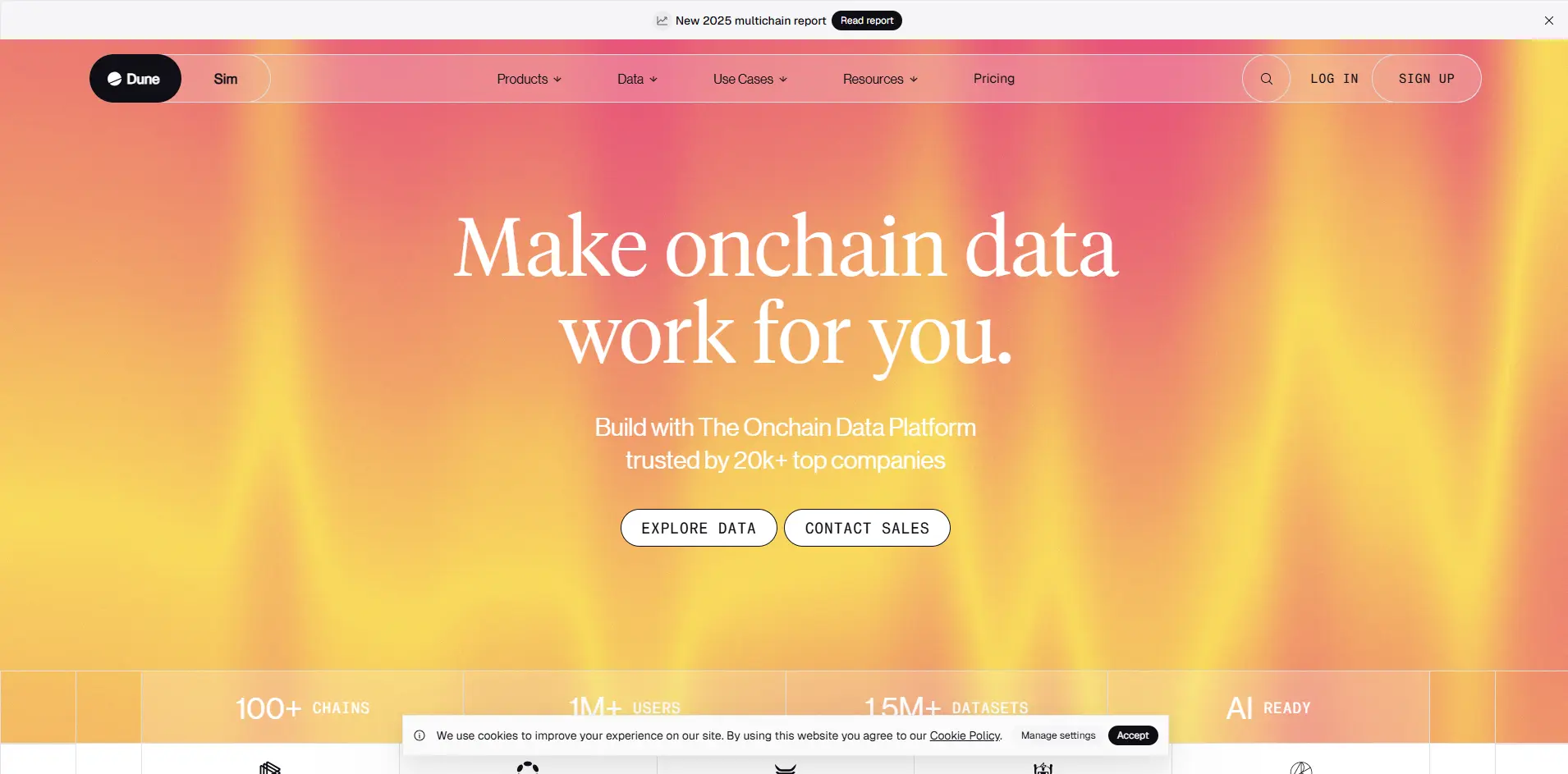
Nansen
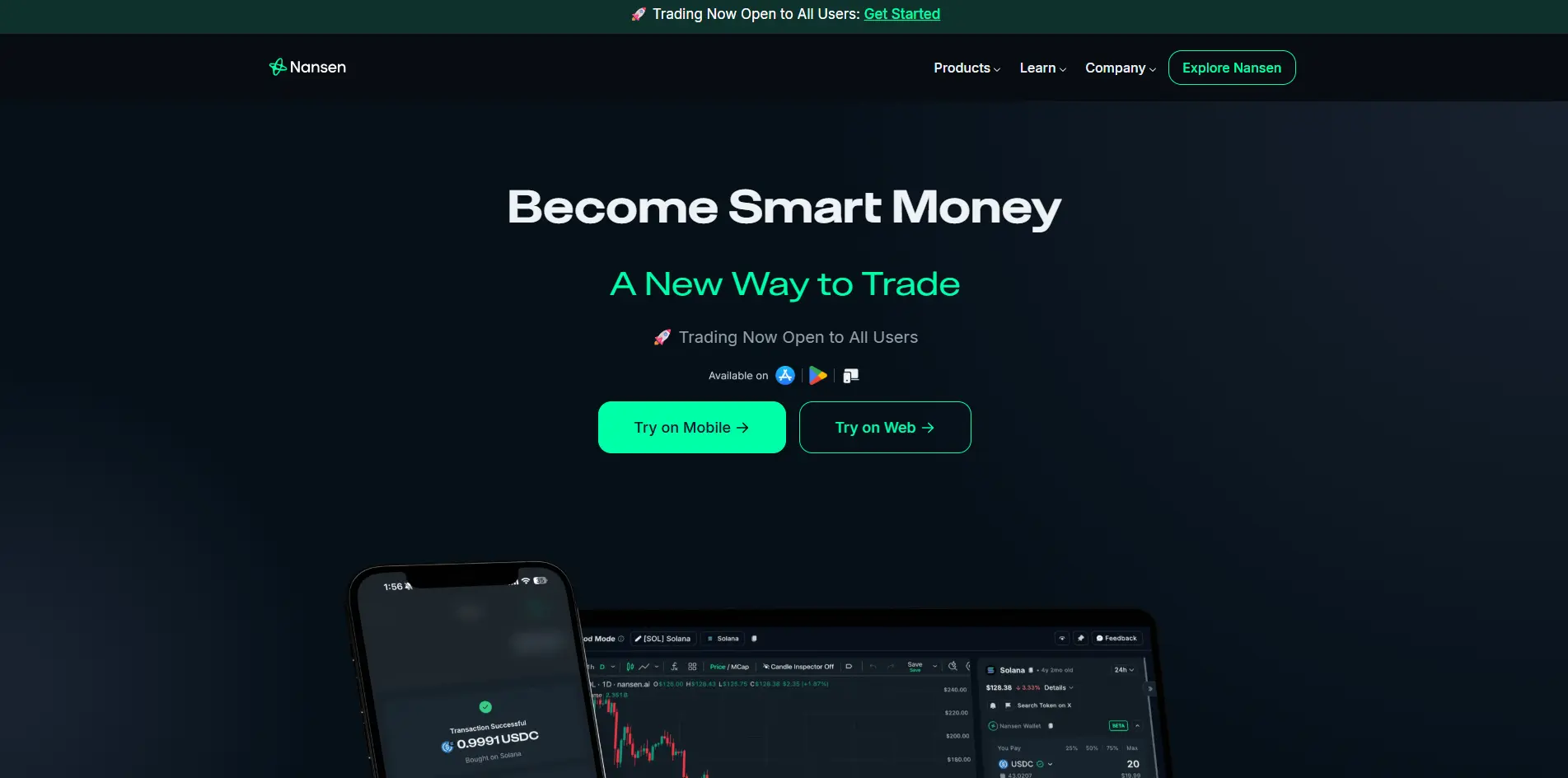
Nansen is a leading analytics platform within Web3 that specializes in analyzing wallet intelligence and the behavior of users on the blockchain. By tagging over millions of wallets and entities, Nansen simplifies the process of analyzing smart money, institutions, funds, and whales. This is why so many traders and investors rely on Nansen to give them an advantage within the market.
Key Features
- Wallet labeling and tagging
- Smart money tracking
- Token and NFT analytics
- DeFi dashboards
- Multi-chain support
Use Cases
Nansen shines when it comes to identifying trends driven by influential wallets. Common use cases include:
- Tracking whale accumulation or distribution
- Identifying early investors in new projects
- Monitoring DeFi liquidity flows
- Analyzing NFT trading behavior
Pros
- Easy-to-use interface
- Powerful wallet intelligence
- Actionable insights for trading
- Real-time alerts and dashboards
Cons
- Expensive subscription
- Limited customization compared to Dune
Best For
Investors, traders, funds, and professionals looking for high-quality on-chain intelligence without writing queries.
Glassnode
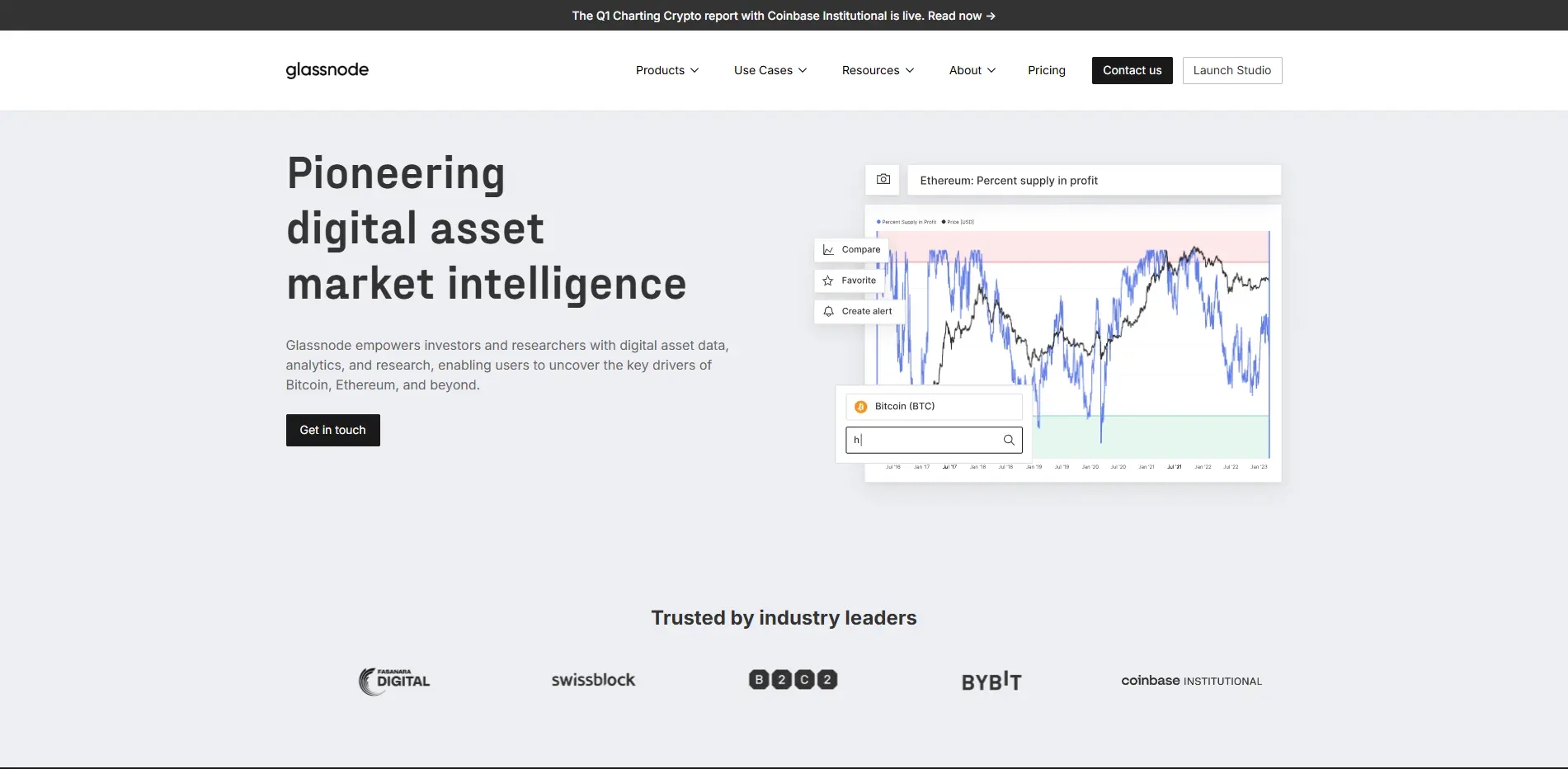
Glassnode is regarded as one of the premier blockchain analytics companies, specializing in macro-level data & providing end-users with a very robust tool to gain insight into long-term trends within crypto markets across all sectors/industries through its various metrics used for analysing investor sentiment & network health.
Unlike other tools that target transactional level activity, Glassnode focuses primarily on aggregated data & conducting historical analyses.
Key Features
- On-chain market indicators
- Long-term historical data
- Network health metrics
- Advanced charts and metrics
- API access for developers
Use Cases
- Glassnode is commonly used for:
- Market cycle analysis
- Investor sentiment tracking
- Network usage and adoption analysis
- Long-term investment research
Pros
- High-quality, reliable data
- Professional-grade analytics
- Strong reputation in the crypto industry
- Excellent educational content
Cons
- Premium plans are costly
- Limited real-time transaction-level detail
Best For
Long-term investors, analysts, institutions, and researchers interested in macro trends and market behavior.
Token Terminal
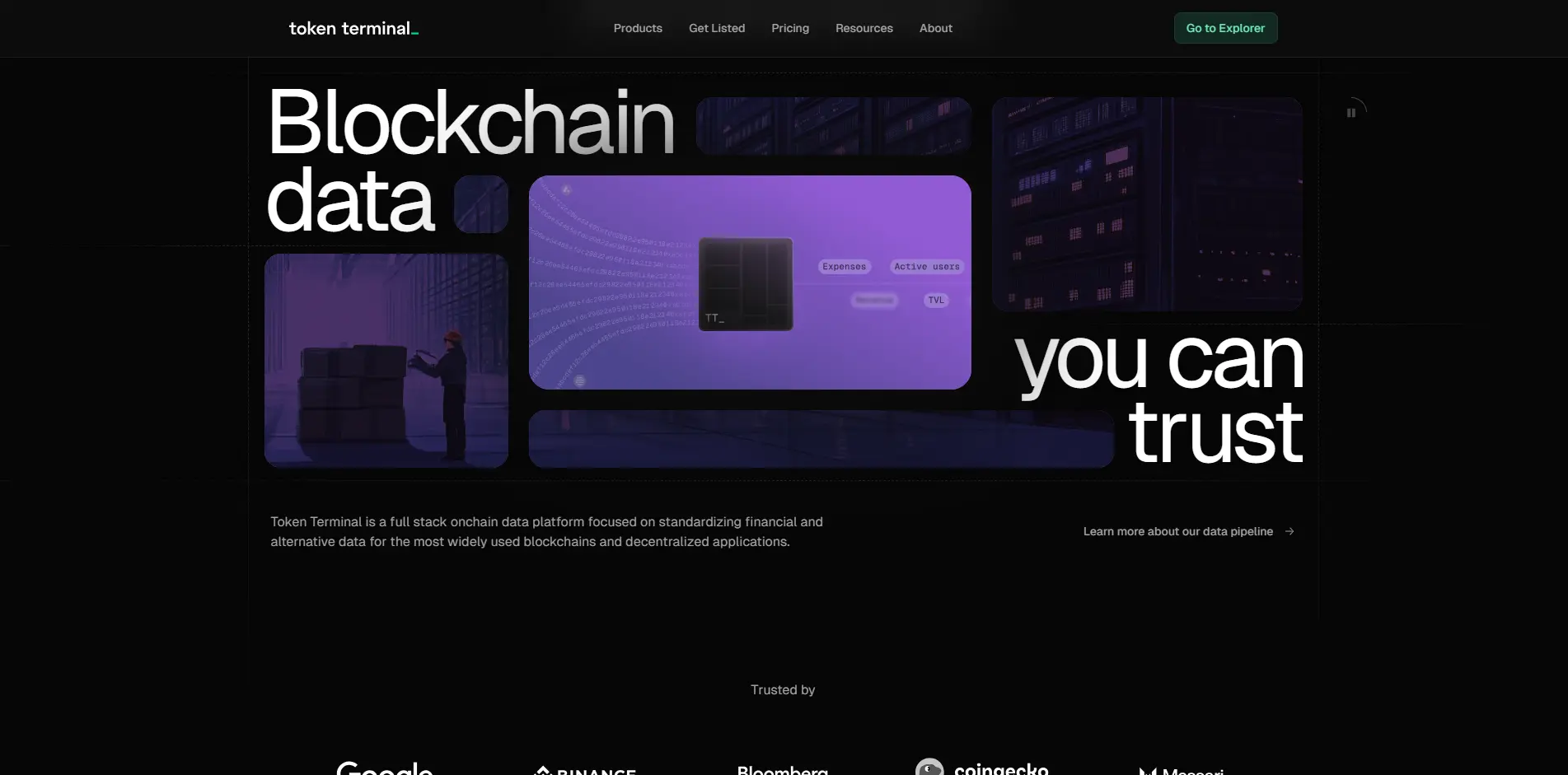
Token Terminal brings a traditional finance (TradFi) perspective into the Web3 world. It focuses on financial metrics such as revenue, fees, earnings, and valuation ratios for blockchain protocols. This makes it easier to compare crypto projects using familiar financial concepts.
Key Features
- Protocol revenue and fee tracking
- Financial ratios and metrics
- Project comparisons
- Clean and intuitive interface
- Regular data updates
Use Cases
- Token Terminal is perfect for evaluating the financial health of Web3 projects. It is often used to:
- Compare DeFi and Layer 1 protocols
- Analyze protocol sustainability
- Evaluate token valuation
- Perform fundamental analysis
Pros
- Simple and beginner-friendly
- Focus on fundamentals
- Clear comparisons between projects
- Useful for investment research
Cons
- Limited transaction-level data
- Fewer supported blockchains compared to others
Best For
Fundamental investors, analysts, and users who want clear financial insights without diving into raw blockchain data.
The Graph
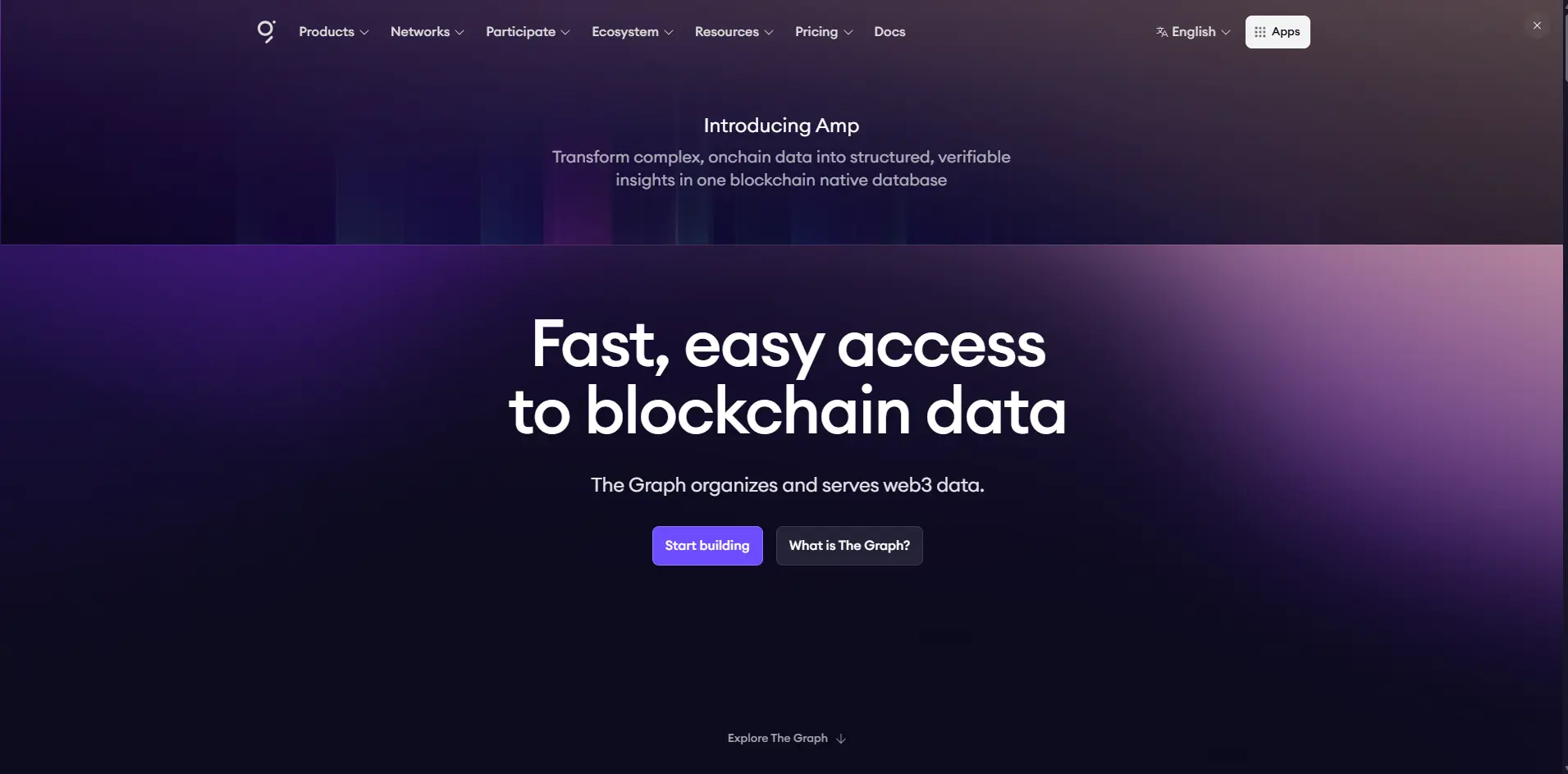
The Graph is not an analytics dashboard – it’s a decentralized indexing protocol that enables developers to query blockchain data via subgraphs quickly and easily. For many Web3 applications, The Graph is the foundation of their analytics and front-end data.
Although it’s more complicated than an analytics dashboard, The Graph is critical infrastructure for the entire Web3 ecosystem.
Key Features
- Decentralized data indexing
- Custom subgraphs
- GraphQL querying
- Supports multiple blockchains
- Widely integrated across DeFi and NFT platforms
Use Cases
The Graph is mainly used for:
- Building analytics dashboards
- Powering Web3 applications
- Querying smart contract data
- Creating custom data pipelines
Pros
- Highly scalable
- Decentralized and reliable
- Developer-friendly
- Core Web3 infrastructure
Cons
- Not suitable for casual users
- Requires technical expertise
Best For
Web3 analytics tools are designed for developers and Web3 startups because of their need for robust analytics products that have been built on blockchain technology.
Comparison Table
| Tool Name | Best For | Ease of Use | Supported Chains | Pricing Model | Key Strength |
|---|---|---|---|---|---|
| Dune Analytics | Custom on-chain analysis | Medium | Ethereum, L2s, others | Free + Paid plans | Custom SQL dashboards |
| Nansen | Smart money & wallet tracking | Easy | Multi-chain | Paid only | Wallet labeling |
| Glassnode | Market & macro analysis | Easy | Bitcoin, Ethereum | Free + Premium | Long-term metrics |
| Token Terminal | Fundamental protocol analysis | Very Easy | Selected major chains | Free + Premium | Revenue & fees data |
| The Graph | Web3 app data indexing | Hard | Multi-chain | Pay-as-you-go | Decentralized indexing |
Web3 Analytics – FAQ
Conclusion
As blockchain becomes more mainstream, analytics tools are playing an increasingly important role within Web3. With many thousands of protocols, millions of wallets, and constant on-chain activity; choosing the right analytics platform will have a significant impact on how you view and navigate the Web3 ecosystem.
Each tool in this article has unique strengths, and some users may utilize multiple platforms combined to achieve a more comprehensive understanding. As Web3 continues to develop, these tools will also continue to develop; thus giving us more in-depth information and a better experience utilizing their services.
For those who are serious about understanding blockchain data whether they are developers, investors or researchers; putting effort into learning about Web3 analytics tools is one of the best things you can do.