
In 2026, technology will shift from basic smartphones, laptops, and smartwatches to personalized, intelligent, and highly connected gadgets that will change the way we live, work, and play. Instead of users having to launch an app, future technology will recognize and comprehend spoken word, visual data, physical motion, health patterns, the surrounding environment, and regular behaviours.
AI-enabled devices are one of the biggest trends to look for in the year 2026 and include not just AI-based cloud chatbots or AI-based applications but now with AI-enabled smart glasses, rings, laptop computers, home robots, and mixed-reality devices. An enormous amount of industry reports following the Consumer Electronics Show (CES) for the year 2026 identified physical AI, edge AI, connected homes, robots, wearables, and mixed reality (XR) as the major areas/technologies that will drive the next generation of consumer electronics.
These future-based technologies will not only provide consumers with very interesting products, but they also represent the next evolution of how people will live their day-to-day lives. Future-based technologies will help individuals be more productive at work, monitor their health and wellness more easily, enjoy more immersive entertainment experiences and automate task completion at home, and provide more natural methods to access and interact with digital information. This blog will review the five best future tech devices in 2026 and discuss their primary features and benefits, as well as potential limitations, and why they are/should be important to you.
AI Smart Glasses
Smart glasses equipped with an AI component will be one of the most interesting devices of 2026 because they enable you to receive information from digital assistants right in front of your eyes and ears, rather than through your smartphone. Different styles of smart glasses will have some combination of the following features: Camera(s), microphone(s), speaker(s), (AI) assistant(s), real-time translation, GPS navigation, notifications and alerts, video and audio recording capabilities, closed captioning, and Augmented Reality (AR) displays. Smart glasses will be important to society's development, as they represent the next step in the evolution of hands-free computing.
Smart glasses will become increasingly important because they provide the opportunity for hands-free computing. Instead of having to take your phone out to check the address of a restaurant or sign interpret its meaning, record video content, or ask an AI assistant for help, smart glasses will allow you to do those things while still seeing what's happening around you.
The smart glasses market is rapidly expanding as we approach 2026. According to IDC, there has been a 167% increase in smart glasses that do not have a display from the year prior for Q1 of 2026, while those that do have displays and fit into the AR/VR/XR categories have also experienced robust growth. As evidenced by Meta's reported market share at the end of Q1 2022, which was achieved through the successful partnership between Ray-Ban and Meta, Meta is leading the smart glasses market.
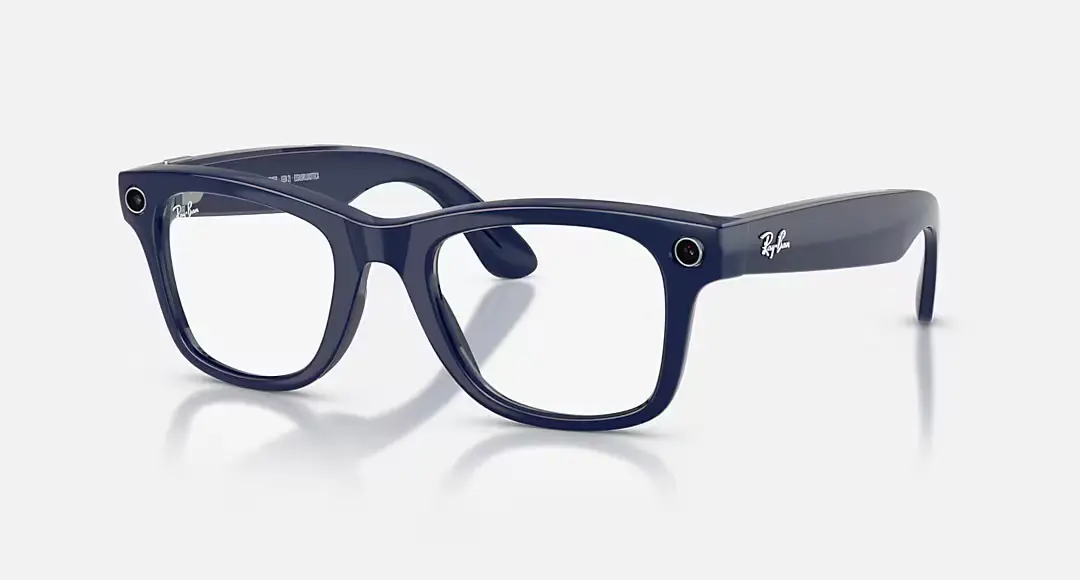
Product:ray-ban.com
Key Features:
AI smart glasses in 2026 may include:
- Voice-controlled AI assistant
- Hands-free photo and video capture
- Real-time translation and captions
- Navigation support
- Open-ear audio
- Micro-display or AR overlay in premium models
- Integration with smartphones and apps
Why They Matter
It is anticipated that smart glasses will be the next major computing platform, following smartphones. Smart glasses offer reduced reliance upon screens and create a more intuitive way to interact with technology. AI glasses are expected to serve as a daily productivity tool for travellers, content creators, students, professionals, and anyone who engages in multitasking.
Smart Rings and AI Health Wearables
Smart Rings are going to be one of the most crucial types of technology in 2026. Compared to smart watches, they're lighter and smaller to enable users to wear them comfortably for extended periods while sleeping and exercising. Smart Rings can be utilized as a means of monitoring and measuring numerous aspects of physical well-being through the tracking of multiple metrics such as the number of hours slept each night, heart rate, temperature, the number of active minutes per day, and total activity levels.
Smart rings have become one of the hottest trends in the wearable tech space because they allow users to receive health-related data without the distraction of a screen. When a user wears a smart ring while they are sleeping, exercising, working or travelling, the device will collect useful data on their health and wellness activities in a quiet, unobtrusive manner.
There are numerous guides available in 2026 for selecting smart rings to purchase. Popular brands include the Samsung Galaxy Ring, Oura, RingConn, Ultrahuman and Amazfit. Each of these brands focuses on tracking user sleep and providing recovery scores, sensing body temperature throughout the day, providing heart rate readings, and providing AI-based health metrics reports.
The future of smart rings will include additional capabilities that facilitate interpreting user statistics. For example, through the use of artificial intelligence (AI), smart rings will be capable of providing detailed information about their users using statistics provided by the device. Scores generated from tracking the user's sleep time will provide information on the user's recovery and other health conditions. Changes in sleep patterns or body temperature may indicate an increase in stress, level of fatigue, or an illness about to develop.
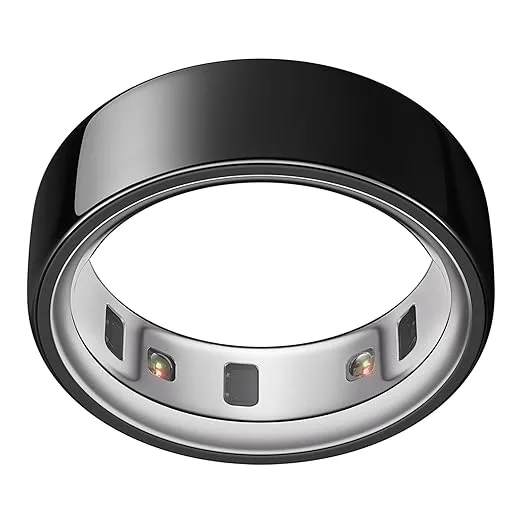
Product:amazon.in
Key Features:
Smart rings in 2026 may include:
- Sleep tracking
- Heart rate monitoring
- Blood oxygen estimation
- Skin temperature tracking
- Stress and recovery insights
- Menstrual cycle tracking in some models
- Long battery life compared with many smartwatches
- App-based AI wellness reports
Why They Matter
The advantages of a smart ring are that they facilitate simple health tracking without being obtrusive. Many people do not like to wear a large watch at night when sleeping but find that a ring does not feel as uncomfortable. For individuals focused on improving fitness or wellness, enhancing quality of sleep, or managing stress, smart rings provide solutions.
AI PCs, Foldable Laptops, and Rollable Laptops
Laptops are evolving in 2026. The next generation of laptop will be more than just a high-speed computer; it will also be an AI-enabled personal workstation. AI PCs will be equipped with NPUs, or neural processing units, allowing them to perform AI tasks on the device itself. Benefits of running AI on-device include increased privacy, speed, battery life and performance while offline.
According to Microsoft, there will be Copilot+ PCs, which are a group of Windows 11-based PCs with powerful NPUs that can carry out more than 40 trillion operations per second, and can perform AI-intensive tasks like live translation and image creation. Counterpoint Research predicts that globally, by 2026, about 59% of all PCs sold will be AI-enabled PCs; therefore, AI PCs are quickly becoming a regular feature in today's market.
A second and equally fascinating element of that group of devices is new laptop designs. Foldable and rollable laptops allow you to have a larger work area without having to carry a bigger device. The examples of Lenovo's rollable laptop concept and commercially available rollable designs provide an ideal example of how a small-sized laptop can expand to a larger vertical display for multitasking, writing, coding, editing, or doing research. Intel has also indicated that Lenovo's ThinkBook Plus Gen 6 will expand from 14 inches to 16.7 inches when used as a vertical display.
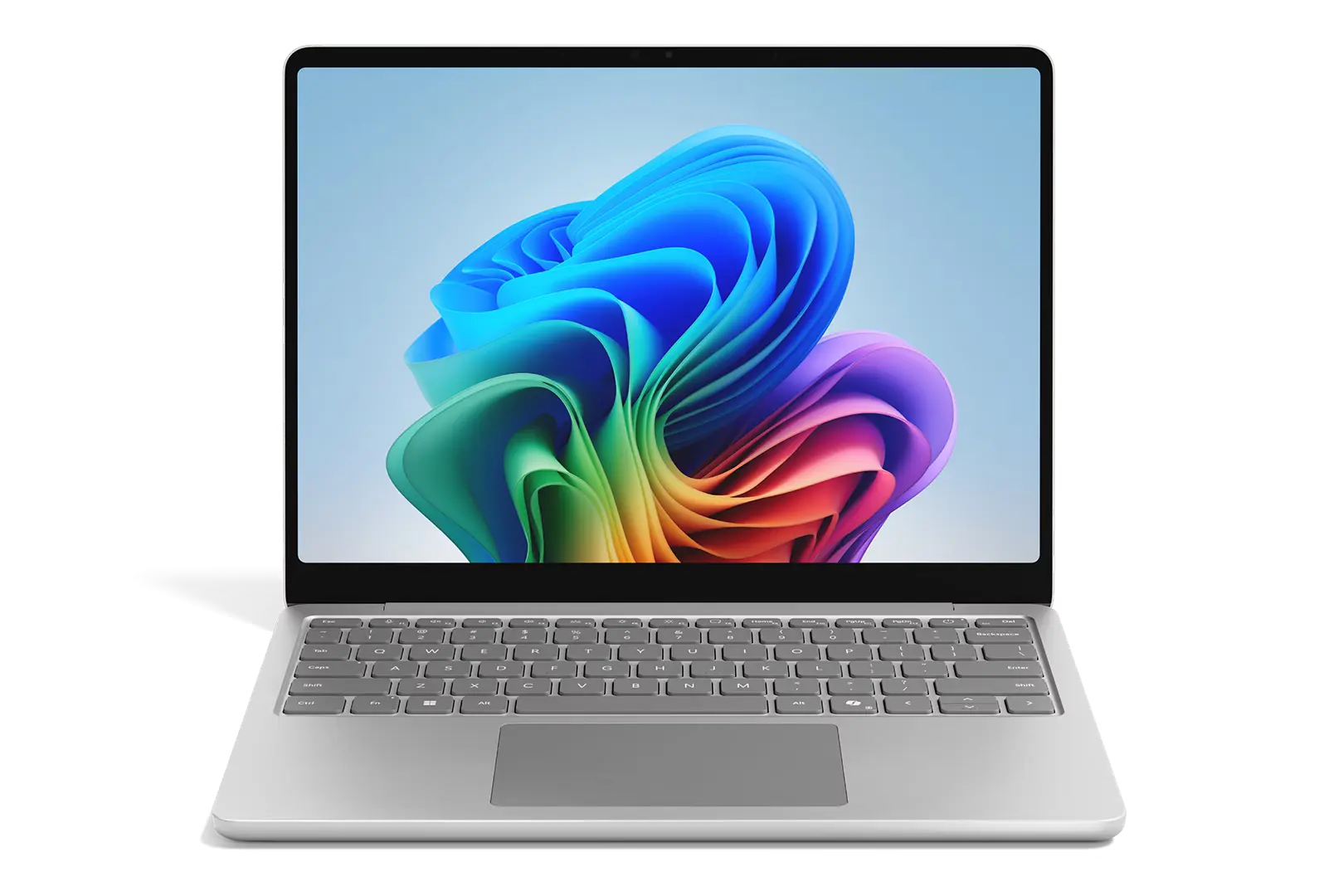
Product:microsoft.com
Key Features:
AI PCs and futuristic laptops in 2026 may include:
- Dedicated NPU for AI tasks
- Real-time translation
- On-device image generation and editing
- AI meeting summaries
- Better video call effects
- Improved battery efficiency
- Foldable or rollable displays
- More portable multitasking setups
Why They Matter
AI PCs are particularly useful due to their ability to include intelligence on the device itself, meaning fewer requests for an AI need to be sent to the cloud. More actions take place on the local device, which can help with privacy-sensitive projects, faster response times and better performance for those who do not have reliable internet access.
In addition, rollable and foldable laptops can solve a more practical issue of screen size. In general, many people require a larger screen to perform their job but prefer not to carry around a large laptop. By using a rollable laptop, there is enough screen space available for work when necessary while remaining compact when travelling.
AI Home Robots
One of the most modern categories of gadgets that will be available in 2026 will be AI robots for home use. Until now, the most popular household robots were vacuum cleaners. Now several companies are developing robots that can do many different things in their homes, like help clean, monitor, lift things, organize, keep company with people and offer basic home assistance.
Physical AI refers to AI that can operate in the real world instead of just generating text or images, allowing physical robots to become connected devices.
Physical AI and robotics is one of the primary trends we saw at CES 2026 regarding connected products, devices, and machines.
The robotics industry is moving rapidly beyond just home-type applications. Reuters reported that Apptronik started a new training facility for robots. They are launching the Apollo 2 robot, in partnership with Google DeepMind, to assist humanoid robots in transitioning from pilot projects to working robots in real-world applications.
This demonstrates that manufacturers are serious about humanoid and general-use robots for the future, even though most of them are not ready to enter consumers' homes at this time.
There is also a tremendous amount of interest in the household robots market according to market projections. Fortune Business Insights projected that the global household robot market could reach USD 107.15 billion by 2034, with strong growth from 2026 onward.
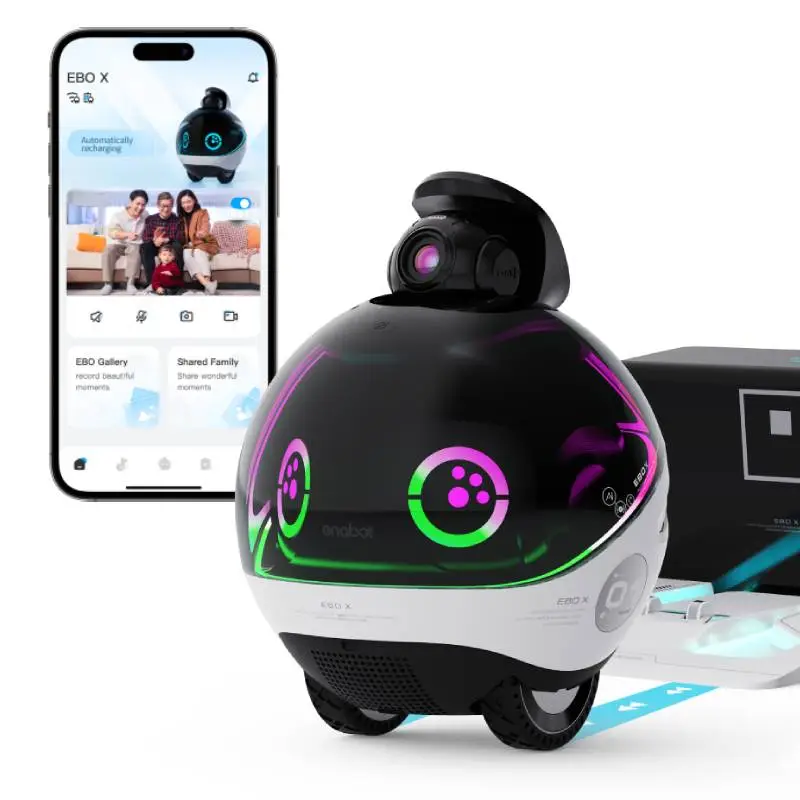
Product:store.enabot.com
Key Features:
AI home robots in 2026 may include:
- Smart navigation and mapping
- Object recognition
- Voice control
- Home monitoring
- Cleaning automation
- Elderly assistance features
- Integration with smart home devices
- Learning from routines and environments
Why They Matter
By saving time and reducing repetitive tasks, home robots will help the elderly, people who have disabilities, busy families and people who enjoy using their smart home systems. Home robots can also provide assistance and be a source of safety monitoring. There are already many basic cleaning robots that can help with mopping and sweeping, as well as monitor rooms and connect to a smart home system.
Spatial Computing and XR Headsets
The spatial computing category of the future tech gadget industry in 2026 will also include XR headsets. XR is made up of virtual reality, augmented reality, and mixed reality. Users will be able to interact with digital content in a three-dimensional space instead of on a standard screen through the use of these devices.
Spatial computation will develop over time due to advances in AI's ability to understand the physical world within which it is designed. Reports suggest that by 2026, spatial computation and spatial AI will be emerging technologies that utilize cameras, sensors, and a three-dimensional view of our physical world to generate more intelligent interpretations and understanding of it. Industry-leading corporations such as Apple, Meta, OpenAI, Google DeepMind and NVIDIA have all committed time and money to build out their own capacity to leverage these technologies.
Currently, XR headsets are being used in numerous ways across many different sectors. These uses include, but are not limited to, entertainment, education, remote work, product development, healthcare, shared digital environments, and immersive experiences. For example, a designer could use XR technology to develop a conceptual design of their product in its intended application. Students can utilize the World Wide Web to gaze at historical sites through virtual reality. Simulation-based approaches are being developed for use in medical professional training. Gamers can use virtual reality to immerse themselves in the world of the game and interact with it as if they were actually present.
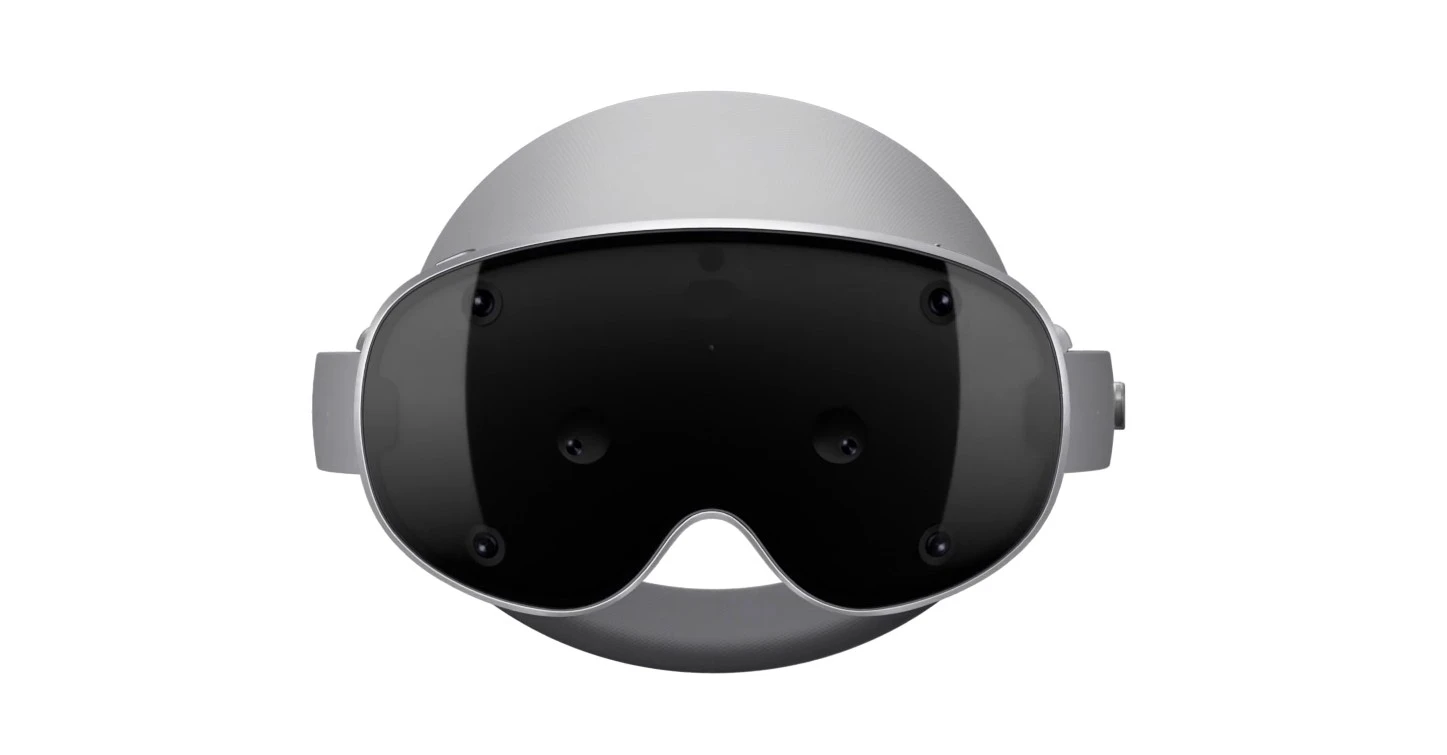
Product:www.samsung.com
Key Features:
Spatial computing and XR headsets in 2026 may include:
- Mixed reality passthrough
- Hand tracking
- Eye tracking
- 3D workspace
- Immersive gaming
- Virtual meetings
- AI-powered environment understanding
- Spatial video and 3D content
Why They Matter
People will be able to learn differently, create and work more creatively and play more engagingly with XR. Users will have access to new virtual screen creations rather than just one laptop screen, and they will be interacting with 3D objects and experiencing content in a fully immersive way. Spatial Computing has great potential to help advance industries in Education, Architecture, Healthcare, Engineering and Entertainment.
Comparison Table
| Gadget | Main Purpose | Best For | Key Benefits | Main Limitations |
|---|---|---|---|---|
| AI Smart Glasses | Hands-free AI and wearable computing | Travellers, creators, professionals, students | Voice AI, translation, navigation, recording, AR features | Privacy concerns, battery life, high cost for advanced models |
| Smart Rings | Discreet health and sleep tracking | Fitness users, wellness-focused users, sleep tracking | Comfortable, lightweight, long battery life, AI health insights | No screen, limited smartwatch features, possible subscription costs |
| AI PCs and Rollable Laptops | AI-powered productivity and flexible screen space | Professionals, students, creators, developers | On-device AI, multitasking, privacy, portability | Expensive, durability concerns, AI features depend on software |
| AI Home Robots | Home automation and physical assistance | Families, elderly users, smart homes | Cleaning, monitoring, routine support, smart home integration | Still early, costly, limited real-world autonomy |
| Spatial Computing/XR Headsets | Immersive digital experiences | Gamers, designers, educators, businesses | 3D interaction, virtual workspaces, training, entertainment | Price, comfort, battery life, limited everyday use cases |
Frequently Asked Questions
Conclusion
The most promising future tech gadgets of 2026 indicate that technology continues to become more personalized, smarter, and more eco-friendly. For example, computing has become an expression of the individual with the advent of AI smart glasses, while smart rings make it easier and more comfortable to monitor your health. AI PCs and rollable laptops are changing the way we work. Physical AI is being introduced into everyday life through home robotics. Immersive digital environments are being created via spatial computing and extended reality technology (XR headsets).
However, most futuristic gadgets are not universally available today. Some are usable right now; others are still being developed. While smart rings and AI-based laptops have already made a difference for many people, the usage of smart glasses continues to increase, but at the current time they are lacking in privacy features as well as battery life. Home robots and XR headsets also have enormous prospects; however, pricing, comfort, reliability and functionality in the real world will largely determine how quickly they become a part of the mainstream.
In order to ensure that you have the best chance of maximising the benefits of future technology in the year 2026, you must select your gadgets based upon their ability to assist you with fulfilling a specific requirement and using the device appropriately. Therefore, your future tech gadget will need to look good visually, but additionally should make an improvement to your time, health, productivity or general user experience as well. The future of technology is not only about developing smarter gadgets, but also those that fulfil a fundamental requirement in the human experience.