Writing programs used to focus on speed, precision, getting things right. Lately though, smart machines have started reshaping how coders work day by day. Tools driven by machine learning help finish lines before they’re typed, spot errors quietly. Fixing old scripts, rebuilding chunks of software, even crafting full apps from plain descriptions - machines do that now too.
Now seeing real use, these tools have moved past trial stages. Individual coders rely on them just as much as big companies do. Development speed goes up because of less time spent rewriting similar parts. Repetition fades when automation steps in. Code ends up cleaner, more reliable, thanks to consistent support behind the scenes.
This piece looks at five leading AI tools made for coders who want to speed up their programming work
- Cursor
- GitHub Copilot
- Claude Code
- Replit AI
- Windsurf
Every tool gets looked at closely - what it does well, where it falls short, when it works best. A breakdown chart shows how they stack up side by side. Near the end, there’s a pick that fits most situations. That choice might just match what you’re after.
Why These AI Tools Are Top 5 for Developers to Write Code Faster
The tools were chosen for the following reasons:
- Solve real developer productivity pain points like writing code for the same thing over and over again, context switching, and overhead of debugging and comprehension in large codebases.
- optimize cogitative efficiency and technical rate to assist ps in thinking when you are coding springfox.
- Are suitable for a spectrum of users, from remote developers to office engineers, freelancers and startup founders
- Provide sustained value rather than novelty a few times led by deeply embedding in day to day workflows
Every tool in this rundown is designed to let developers spend more of their time on what matters by reducing friction with the code writing process. Combined, they allow for a development environment to change based on how developers think and work, giving their tools
Cursor
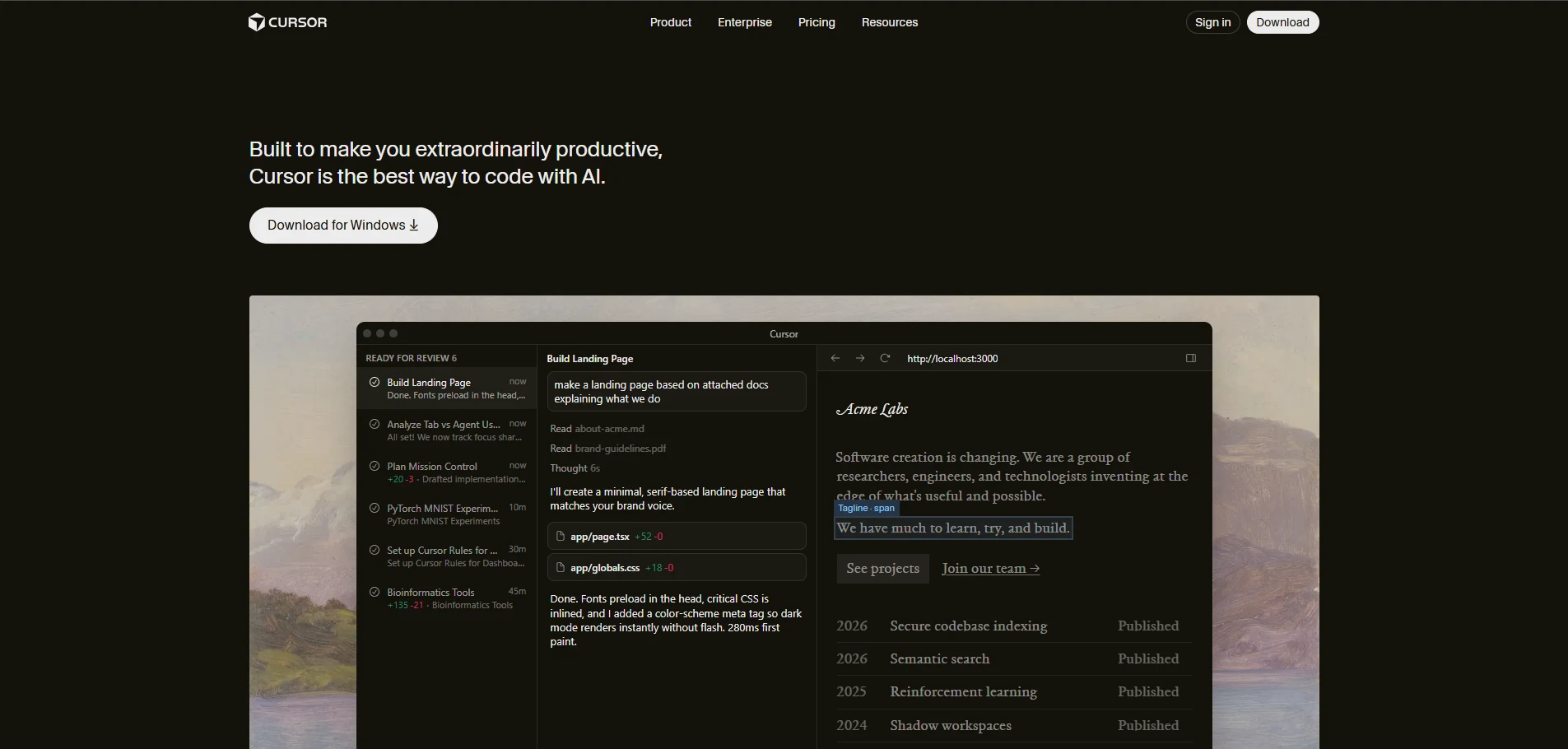
Cursor is an AI-first code editor that massively excels at understanding whole projects, not just individual files. It’s traditional development environment, combined with AI reasoning to assist in asking questions, requesting refactors, and writing code with full project context.
Listed above are only a few features from Cursor's arsenal, and in contrast to simple autocomplete tools, this tool can handle dependencies across files and propose coordinated modifications.
Pros
- More knowledge on every codebases rather than the ones that are open.
- It should be easy to change multiple files as well.
- I was having chat conversations with my AI baked right into the editor
- Helpful for getting to know new or old projects
Cons
- Paid subscription to access more features
- Slight learning curve for AI-averse developers
- Light on the resources of your system.
Best Uses For
Cursor is ideal for experienced developers working on medium or large projects that want an AI assistant which understands architecture, data flow and cross-file reletsionships. It is especially good for refactoring, walking through existing code bases, and working with complex systems.
GitHub Copilot
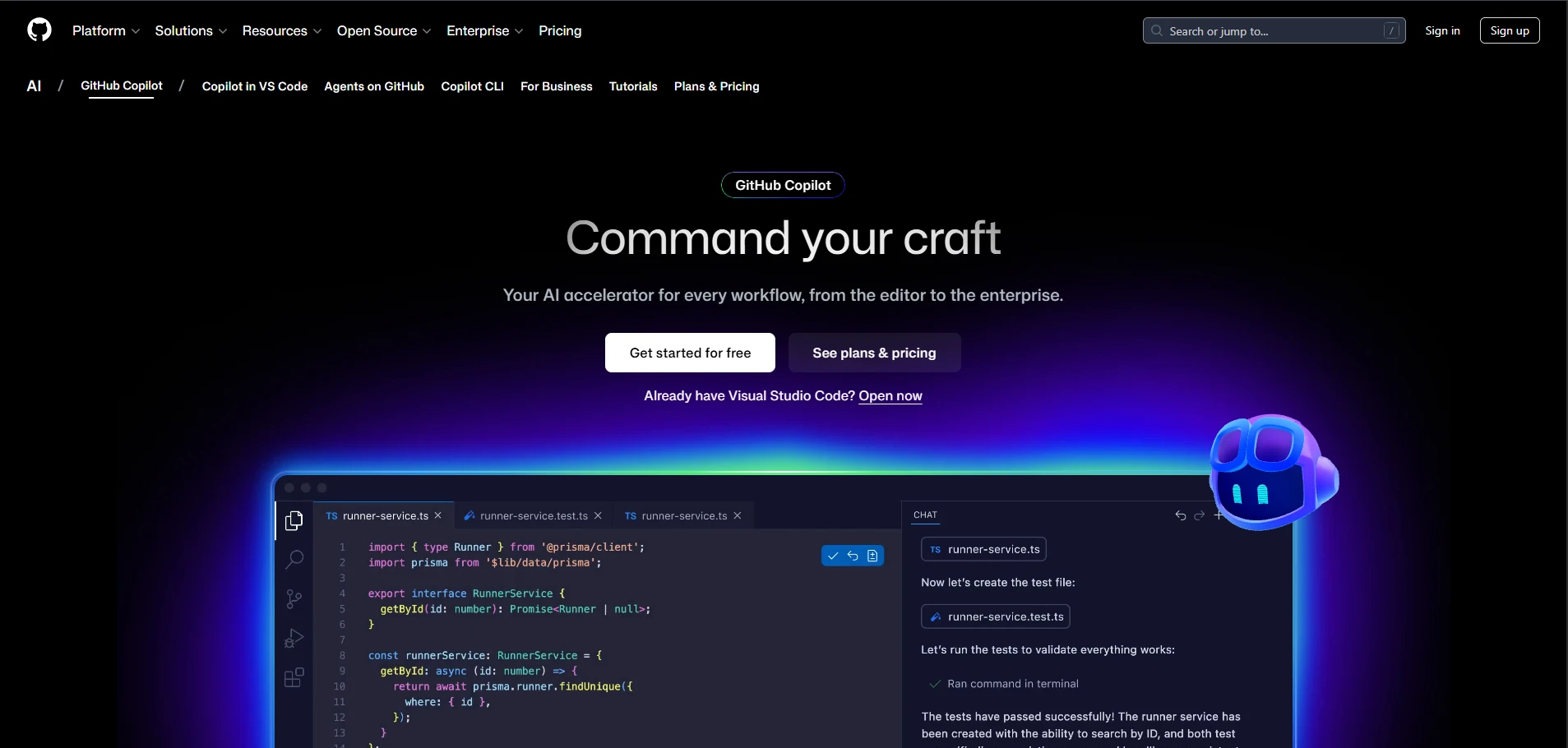
GitHub Copilot is one of the most popular AI-powered code completers in use today. Baked into popular software tools for programmers, it offers suggestions on code as developers type. Copilot is great for accelerating some of the more mundane tasks in coding, through auto-completing the next lines based on what its seen before.
It also has excellent GitHub integration and support for many programming languages.
Pros
- Great real time auto-completion and boiler plate generation.
- Compatible with several IDEs (including VS Code, JetBrains and Neovim)
- Works great with common languages and frameworks
- Good ecosystem support and regular updates
Cons
- Poor knowledge on architecture of large, multi-file projects
- Proposed may need to be reviewed by a human for validity
- Not great at high-level design, complex refactoring
Best Uses For
Developers who desire quick, inline assistance while coding would be good candidates for GitHub Copilot. It is great for day-to-day dev work (writing functions, tests, comments and repetitive code logic) It's particularly well-suited for single-contributor teams and orgs already operating in a GitHub-friendly workflow.
Claude Code
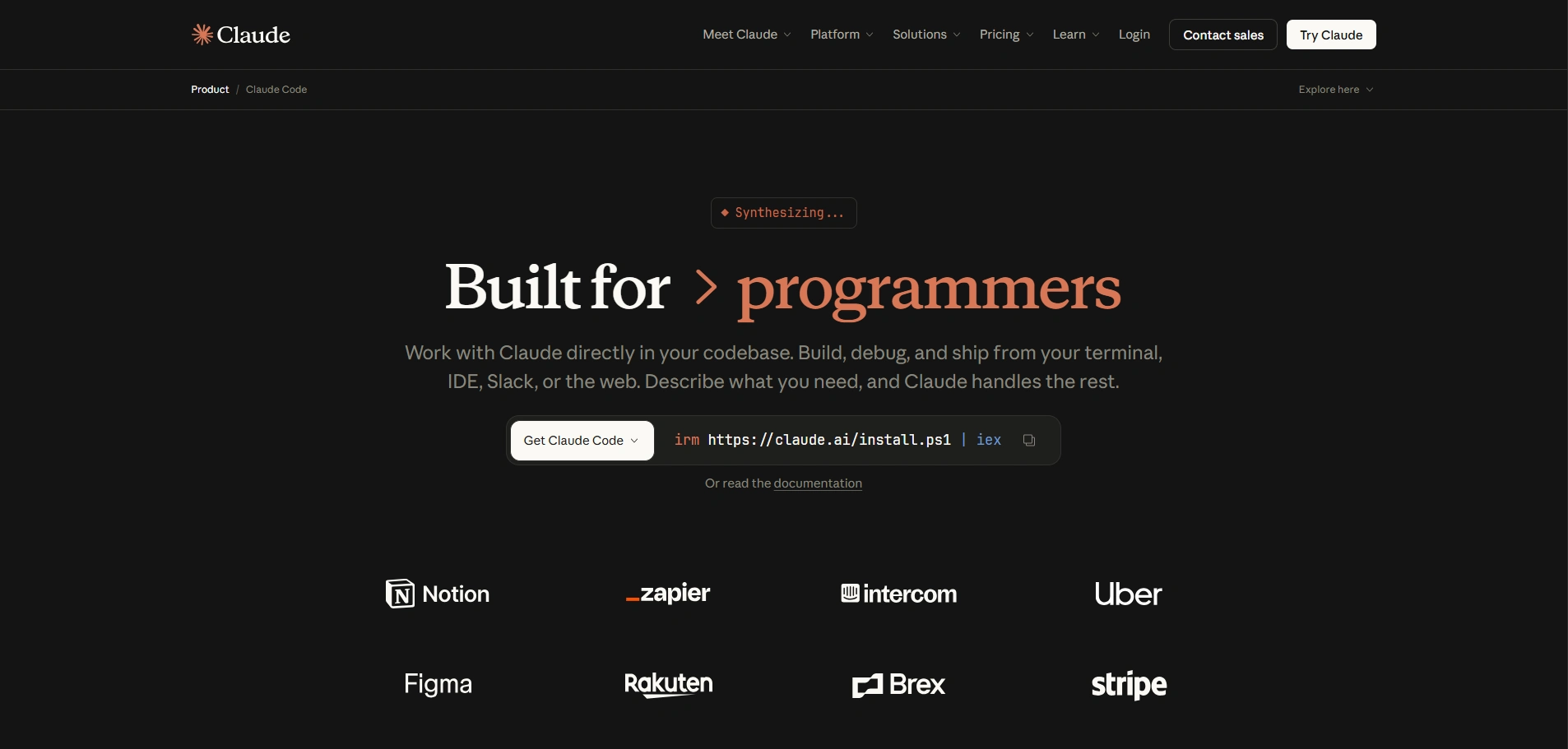
Claude Code is looking at coding in a different way. Instead of being mostly around autocomplete, it's from the ground up natural language understanding and reasoning. Developers can write descriptions of tasks in ordinary language, and Claude Code interprets them to carry out complex operations across an entire project.
It is especially good at reasoning-heavy and intent-driven tasks.
Pros
- Excellent natural language comprehension
- Strong reasons for multi-step, multi-file changes
- For architectural alterations and descriptions creaiov Good for chaivov, explanation“omenclatures.
- Great for tracking and understanding code logic
Cons
- Not so much focused on inline autocompletion OnTriggerEnter is not as much about ‘instant’ inline autocompletion
- Commonly accessed through the command line or chat interfaces
- Subscription required for extended capabilities
Best Uses For
Claude Code works best for developers who would rather describe what they want to build or change than write out each line by hand. And can be used for refactoring, documenting and architectural planning, as well as code analysis.
Replit AI
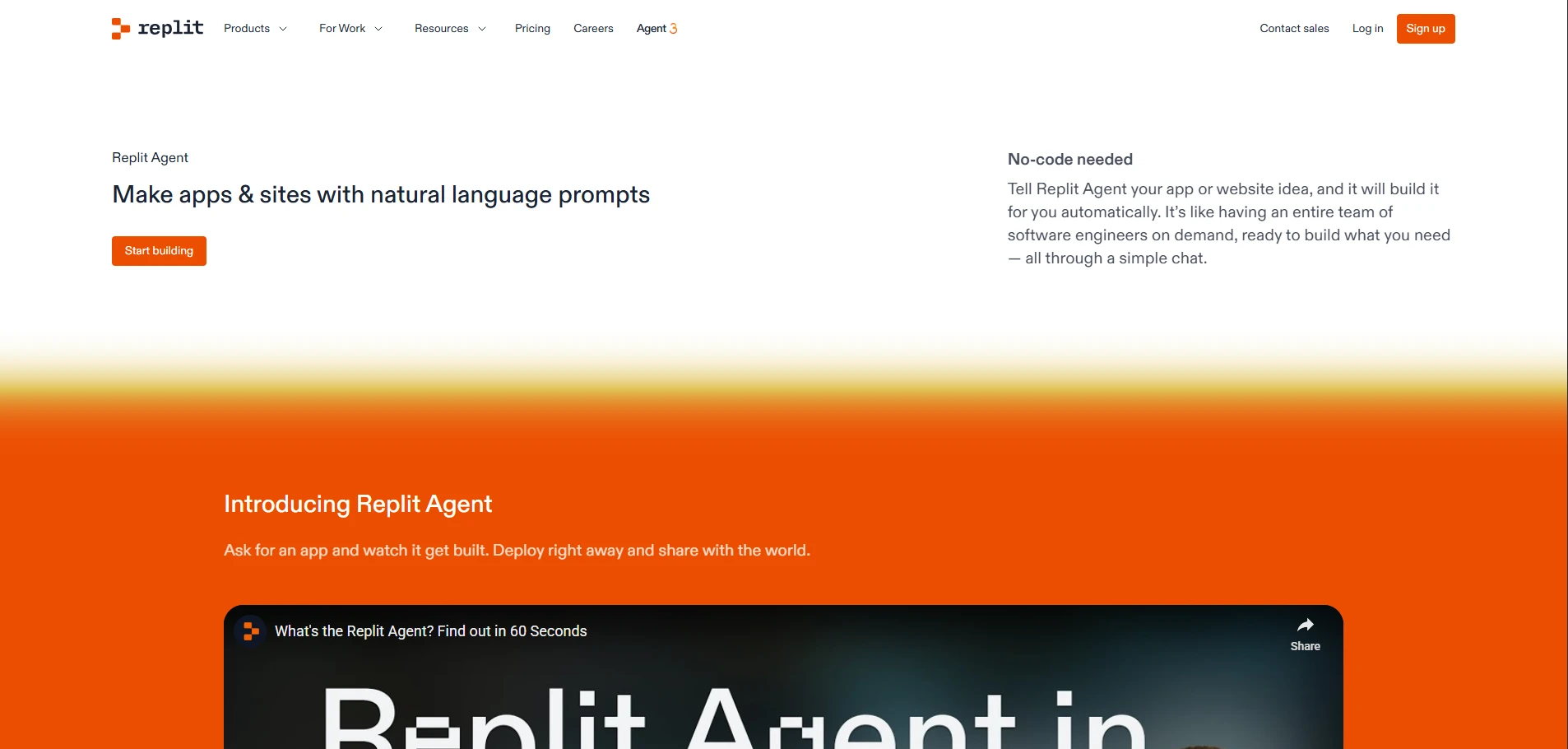
Out in the cloud, there's a tool called Replit AI built into a web-based platform for building software. Write code up there, then it runs right away, no local setup needed. Instead of downloading anything, everything stays online. When you need help, asking in plain words might trigger smart responses. These bits of intelligence could shape working programs fast. If you're stuck, they may spot problems without long scripts. Sometimes just explaining an idea gets things moving again.
Working fast matters most in Replit AI, along with ease of use and teaming up together.
Pros
- Start nowhere - just fire it up right in the browser. No need to set anything locally. Everything happens out there, ready to go.
- Rapid application generation and prototyping
- Working together with fellow developers in real time
- Handles a wide range of coding languages
Cons
- Needs a steady internet connection
- For bigger jobs or high-demand work, this setup falls short
- Less control compared to local development environments
Best Uses For
Perfect for quick prototypes, coding challenges, teaching situations, or fresh companies just beginning. Value shows up most where teamwork moves fast, setup happens instantly, yet thorough tweaks take a back seat.
Windsurf
Windsurf is an AI-first development environment that seeks to incorporate autonomous AI agents into the coding workflow. Its AI can manage multifaceted tasks, suggest changes across files, and also help with debugging and refactoring on a level beyond basic autocomplete type tools.
Windsurf is goal is to be a smart coding buddy, not a dumb assistant.
Pros
- Purpose built for AI-supported development from the ground up
- Strong contextual awareness across projects
- Supports autonomous multi-step coding tasks
- As a standalone editor as well as an IDE plugin
Cons
- Less of an ecosystem than other mature tools
- Some features are still evolving
- Fewer community docs than more mainstream tools
Best Uses For
Windsurf is a good fit for developers who are interested in an AI-first workflow and have no problems playing with some newer tools. It can be quite powerful for refactoring and structural changes, such as AI autonomous workflows.

Comparison Table
| Feature | Cursor | GitHub Copilot | Claude Code | Replit AI | Windsurf |
|---|---|---|---|---|---|
| Inline Code Completion | Moderate | High | Low | Moderate | Moderate |
| Project-Wide Context | High | Low | High | Medium | High |
| Natural Language Tasks | Medium | Low | Very High | High | Medium |
| Ease of Use | Medium | Very High | Medium | High | Medium |
| Cloud-Based | No | No | No | Yes | No |
| Best for Large Codebases | Yes | Limited | Yes | No | Yes |
| Collaboration Features | Limited | Yes | Limited | Strong | Moderate |
Conclusion
AI for developers is no longer a “nice to have,” it’s becoming an essential tool in any developer’s toolkit. All the tools I’ve mentioned in this article take a different approach to making you more productive, and which of these is best is really down to your own work style and what it is that you’re building.
Cursor is great at deep project knowledge and refactorings. GitHub Copilot is the best option for quick, in-line code completions. Claude Code is notable for reason-heavy, natural language-inspired design. Replit AI is second to none when it comes to quick, collaborative cloud based prototyping. Windsurf provides a nascent AI-native workflow, but with high autonomy and context-awareness.
These tools do not replace developers, they multiply human creativity and productivity. The best AI-assisted tools to help you code By selecting the best AI assistant, developers will spend less time on mundane tasks, such as designing and solving problems and more developing high quality software.