Digital Marketing in 2026 is not simply posting to social Media or running ads anymore; there has been an evolution using Artificial Intelligence, Predictive Analytics, and Automation combined with the ability for businesses to create Hyper-Personalized experiences when communicating with customers.
Today's businesses are required to know their audience in-depth, present their message at precisely the correct time, and to monitor every interaction throughout many touchpoints.
Businesses that rely on guesswork or older tools due to shorter attention span, more competition, and higher advertising costs will be left behind. The new growth (in 2026) will belong to those who implement a Data-Driven strategy, leverage an AI-Powered Platform, and utilize tools that scale effectively without increasing complexity of operations.
Digital Marketing Tools (DMTs) are plentiful these days, which makes it confusing to determine which one will provide the greatest benefit. Because so many claim to be “the best,” here are 5 reliable DMTs that will help your business get measurable results by 2026. The measuring criteria for 2026 have been determined so that, when we look through DMTs, it will not take you much time and effort to identify which tools can assist you.
1. All-in-One Tool:
People looking for tools as business owners usually want a single integrated system rather than several disconnected products. Tools that provide the multiple (or all) components of the marketing system needed by a business to succeed in one platform can save businesses money, improve workflow efficiency and allow marketers to check their results from one place.
2. AI & Automation Integration
In today’s world, AI features (e.g., predictive analytics, smart bidding capability, automated segmentation, personalized approach) are no longer options; they’re requirements to help marketers do more with fewer resources.
3. Scalability
The right tool for your business (whether you are a startup, SME or enterprise) should have the ability to grow with your business without forcing you to completely redo your entire system.
4. Data Transparency & ROI Tracking
Clear dashboards, attribution models, performance insights, and campaign performance metrics give marketers tools for measuring what truly leads to growth.
5. Proven Industry Adoption
Each tool on this list is so widely used by professionals across various industries that they are both reliable, well supported, and continuously innovated.
HubSpot Marketing Hub - The Entire Development Platform
In 2026, the HubSpot Marketing Hub established itself as one of the most significant holistic marketing platforms. HubSpot is regarded as the brain of marketing; it does more than send e-mails or create leads.
HubSpot is now a single comprehensive solution that combines CRM, e-mail marketing, marketing automation, landing page creation, content management, social media scheduling and advanced analytics, thereby eliminating siloed data, enabling all teams to operate on the same page synchronously throughout the entire customer lifecycle, from brand awareness through conversion and on towards retention.
Key Features
- Marketing automation workflows
- Email marketing and personalization
- Landing pages and form builders
- Built-in CRM integration
- Lead scoring and segmentation
- Revenue attribution reporting
Why HubSpot Matters in 2026
In a personalization-driven world, HubSpot’s suite of AI tools is helping organizations deliver personalized experiences at a massive scale. Its automation feature helps automate lead nurturing, while its analytics assess which campaigns drive revenue as opposed to clicks.
Pros
- True all-in-one marketing and CRM solution
- Advanced automation and lead nurturing
- Strong analytics and ROI reporting
- Excellent customer support and community
Cons
- Premium plans can be expensive for small businesses
- Advanced features require time to master
Best For
Businesses that want a single platform to manage inbound marketing, lead generation, automation, and CRM without having to juggle multiple tools.
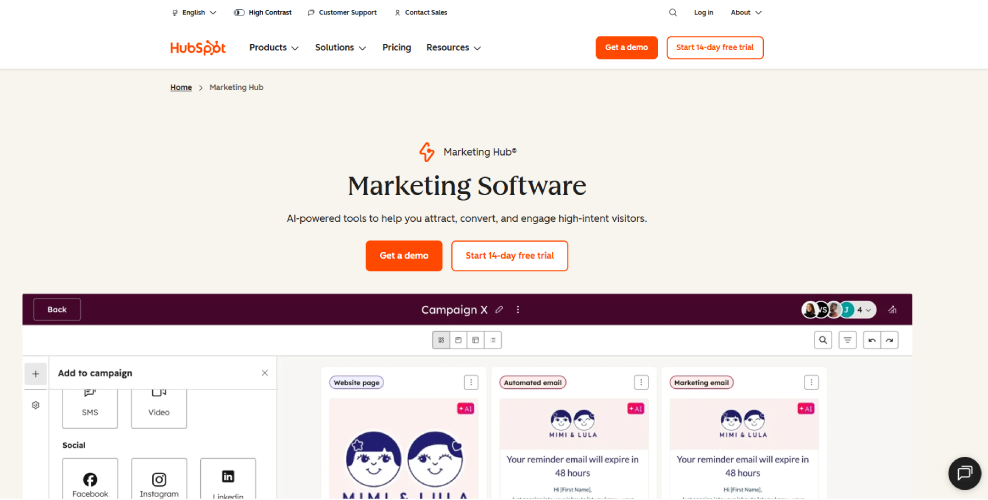 HubSpot Marketing Hub
Semrush – SEO & Competitive Intelligence Leader
Search engine optimization remains to be one of the most powerful forms of digital marketing in 2026 and Semrush continues to lead the way within the competitive intelligence and SEO space.
When I first started using Semrush the keyword tool I noticed that Semrush provides much more in-depth information than just keyword research. You can see exactly what your competition is doing, their backlinks, their advertisement placements/ads, content gaps and much more.
Key Features
- Keyword research and intent analysis
- Competitor traffic and ranking analysis
- Backlink audits and link-building tools
- Content optimization and SEO writing assistant
- PPC and ad research tools
Why Semrush Matters in 2026
With AI power search engines and evolving algorithms, SEO has become more strategic than ever. Semrush helps businesses identify high purpose keywords, optimize content for real user, and monitor competitor in real time.
Pros
- Comprehensive SEO and competitor toolkit
- Accurate keyword and traffic data
- Strong content optimization features
Cons
- Can be costly for startups
- The feature-rich interface may feel overwhelming initially
Best For
Businesses serious about organic growth and content marketing and and staying ahead of competitors in search results.
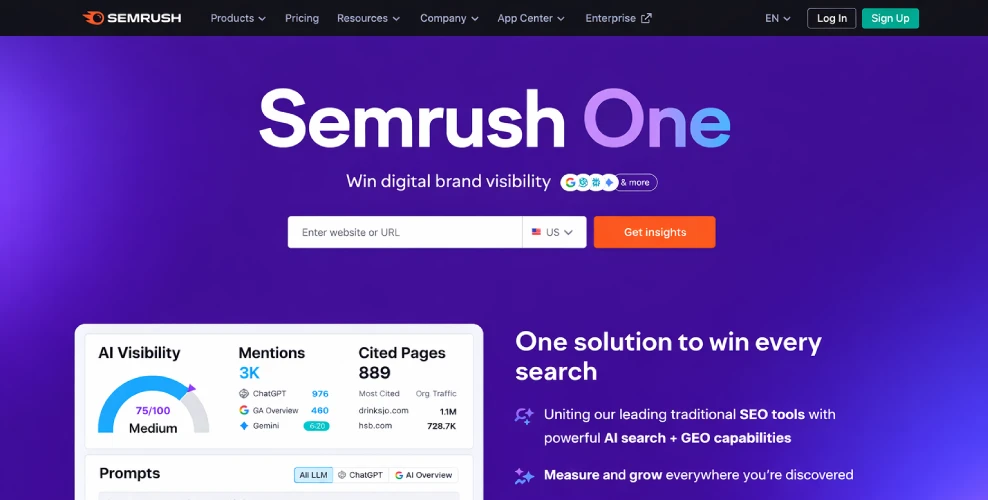 Semrush
Google Analytics 4 – Advanced Performance Tracking
GA4 is really different from what we had. It helps us see what people are doing on our websites and apps. GA4 is better at tracking people when they move from one website to another or from a website to an app.
In the year 2026 GA4 will be very important because it helps us collect data in a way that's good, for peoples privacy. GA4 also helps us guess what people will do next which is really useful. GA4 was made to do these things.
Key Features
- Event-based user tracking
- Cross-platform analytics (web + app)
- Predictive metrics using AI
- Custom funnel and path analysis
- Enhanced privacy controls
Why GA4 Matters in 2026
GA4 is really important because cookies are going away and there are rules about privacy. GA4 helps businesses adjust to these changes without losing information. The artificial intelligence in GA4 makes predictions about when people might stop using a service or make a purchase so businesses can do something about it before it happens.
Pros
- Free and extremely powerful
- Advanced user behavior tracking
- Predictive insights for smarter decisions
Cons
- Complex initial setup
- Requires proper event configuration for accuracy
Best For
Businesses who use data to monitor performance, conversions and/or user behaviour for in-depth insights across different digital platforms.
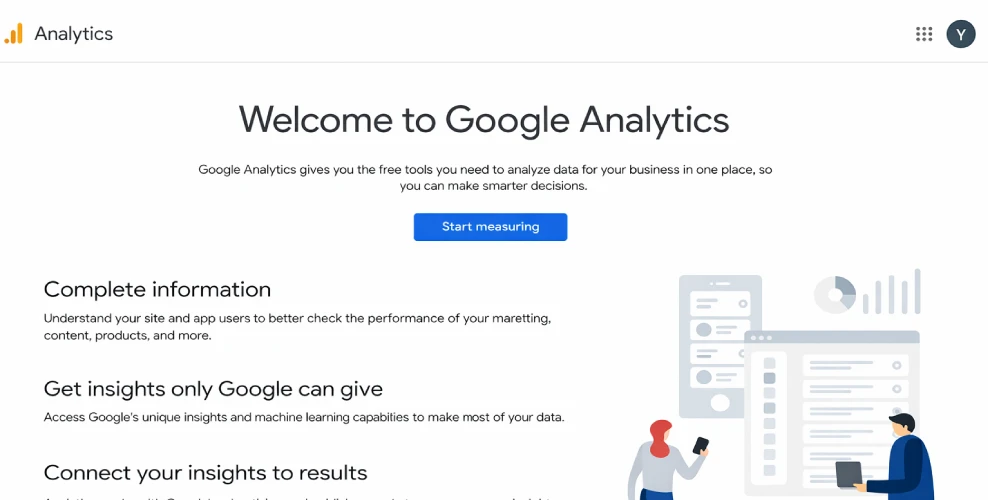 GoogleAnalytics 4
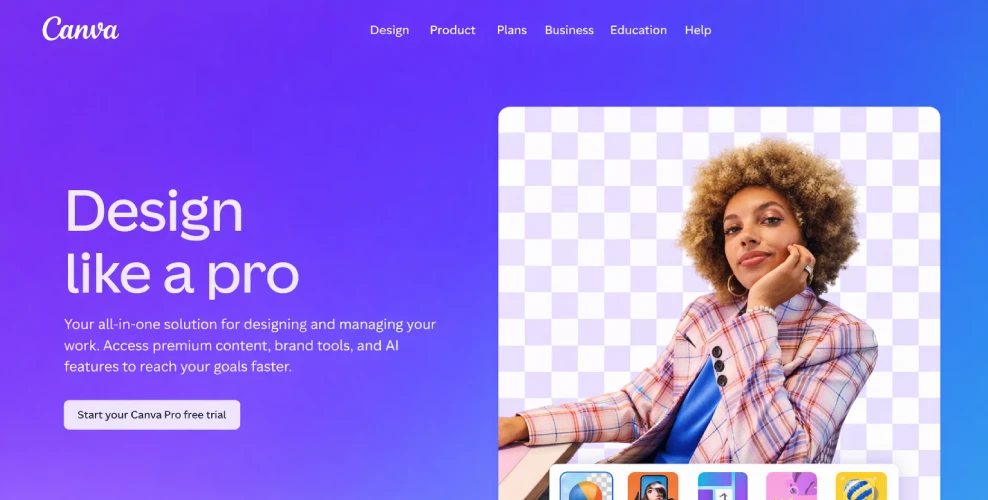
Canva Pro – Content Creation Made Easy
Visual storytelling will be an integral part of creating content in 2026 and by using Canva Pro as a design tool companies are able to create high quality visuals without incurring the expense of hiring full time designers.
From social media posts to presentations and videos, to ads, Canva Pro empowers marketers with the ability to produce professional design in a timely and consistent manner.
Key Features
- Drag-and-drop design editor
- Thousands of templates
- Brand kits for consistency
- Video and animation tools
- Team collaboration features
Why Canva Pro Matters in 2026
Content velocity is critical. Canva Pro enables teams to produce more content faster while maintaining brand consistency across channels.
Pros
- Extremely user friendly
- Large template and asset library
- Affordable compared to traditional design tools
Cons
- Limited advanced design control
- Some premium assets require higher plans
Best For
Small businesses, startups, and marketing teams that need fast, high quality content creation.
 Canva Pro
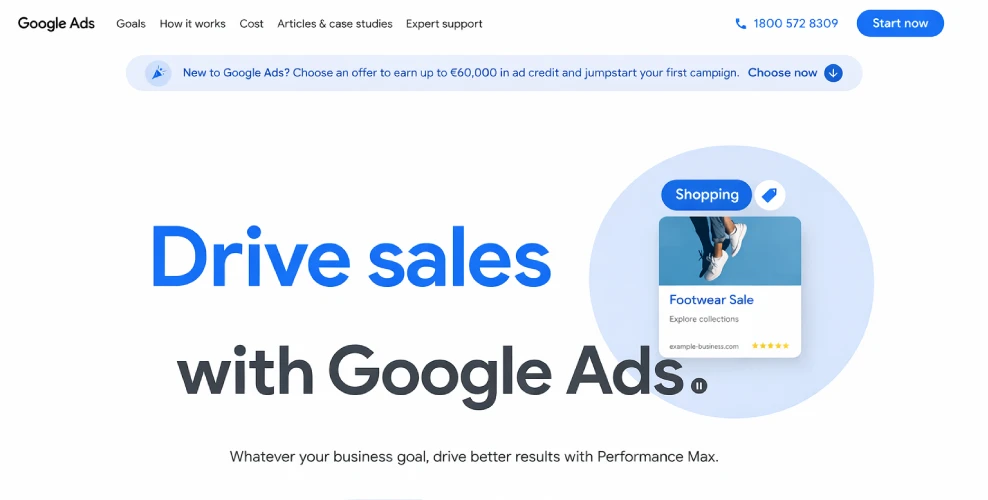
Google Ads & Meta Ads – Paid Growth Engines
In 2026, organic reach alone will not suffice. For many companies, paid advertising will continue to be an efficient method of growth. Google Ads and Meta Ads (Facebook) will continue to dominate the paid performance marketing space.
These two platforms use advanced algorithms and AI communication, in order to create the most effective advertisement for each based upon user experience.
Key Features
- AI-powered smart bidding
- Audience targeting and retargeting
- Conversion tracking
- Multi-format ad placements
- Scalable campaign management
Why Paid Ads Matter in 2026
Paid advertisement increases in competition provide companies with immediate visibility and measurable outcomes. When you combine paid ads with analytics and automated tools, they become very powerful accelerators of growth.
Pros
- Massive global reach
- Immediate traffic and leads
- Highly scalable campaigns
Cons
- Requires consistent budget
- Rising competition and ad costs
Best For
Businesses looking for fast growth, lead generation, and scalable customer acquisition.
 Google Ads
Comparison
| Tool | Primary Purpose | Best For | Key Strength | Ideal Business Size |
|---|---|---|---|---|
| HubSpot Marketing Hub | All-in-one marketing automation & CRM | End-to-end marketing & lead nurturing | Unified platform with automation & reporting | SMEs to Enterprises |
| Semrush | SEO & competitive intelligence | Organic growth & content strategy | Deep keyword & competitor insights | Startups to Enterprises |
| Google Analytics 4 | Performance & behavior tracking | Data-driven decision-making | Event-based tracking with AI insights | All business sizes |
| Canva Pro | Content & visual creation | Fast content production | Ease of use & brand consistency | Startups & SMEs |
| Google Ads & Meta Ads | Paid advertising & acquisition | Rapid growth & lead generation | Massive reach with AI optimization | All business sizes |
Conclusion
In 2026, there is no longer the idea of using more tools to create more effective digital marketing but rather of how to use those tools in the correct combination.
Automation, artificial intelligence, personalization, and performance measurement have all become essential components of sustainable growth and development.
The five tools explained in this guide provide the framework through which businesses can build their digital marketing ecosystem and develop the combination of those tools strategically, enabling them to minimize their manual efforts, obtain greater clarity into their insights, enhance their ability to accurately target, and be able to compete effectively in a rapidly growing market.
Whether you're an early-stage company trying to put together your first marketing stack or a more established company trying to figure out how to scale your growth strategy, the four tools in this post plus the right mix of these tools will enable you to work smarter while being able to respond to market changes quickly and meet the needs of your customers as their demands evolve.
Over the next several years, companies that use their available resources wisely, build scalable systems, and use their data as a basis for making decisions will find success in this continuously changing digital marketplace.