If you are a web developer, then you absolutely know that the pace of change is hard to keep up with. Released each year, many new and updated frameworks and tools ensure that we can develop faster & smarter than ever before. In 2026, frontend development is about more than just pretty websites. It’s all about user experience, scalability and speed.
Companies want their products to go live yesterday. People want websites to be able to load immediately and smoothly regardless of what device is being used. Developers, however, prefer tools that cut out redundancy and busy work and help them code. This is where the current frontend frameworks shine.
Top 5 Frontend Frameworks for Faster Development in 2026 In this blog I want to take a closer look at the Top 5 Frontend Frameworks for Faster Development in 2026 There are several factors on which frontend frameworks can be judged like - Real world usage Developer experience Performance Long-term reliability.Generated Value from Why did you make React?
React + Next.js
“For the past few years, React has been the defining technology in frontend development, and in the year 2026, it still remains one of The most powerful technologies available. However, today it Not enough to use only “React.” This is the reason why most people use Next.js in combination with React
Why React + Next.js is still a top choice
Next.js ups the ante by presenting features in React that most applications today need:
- Server Side Rendering
- Static Site Generation
- App Router and Server Components
- Built-in API routes
- Automatic code splitting
- Image and font optimization
All of this means less setup and faster development.
Developer experience
One reason React works well? It builds things in pieces, making updates smoother plus reuse simpler. Setting up tools like webpack or routes normally takes time - Next.js handles those quietly behind the scenes. With that done, adding real features becomes the next natural step.
Best for
- Large applications
- SaaS products
- E-commerce platforms
- SEO-focused websites
Popular brands using React + Next js: Facebook, Netflix, Instagram, Shopify and Uber.

Svelte/SvelteKit
Svelte started to gain favor, so in 2026, it occurred as a strong opposition to React and Vue.
What Svelte Does Differently?
Most frameworks are browser-based. However, Svelte is not browser-based but compiles the JavaScript at compile time to produce highly optimized JavaScript, leading to:
- Smaller bundle sizes
- Faster load times
- Better runtime performance
SvelteKit for full stack development
- SSR and SSG
- File-based routing
- API endpoints
- Smooth transitions
- Simple deployment
Why developers love it
Sveltes coding structure is very clean and easy to understand. Svelte involves less code, less configuration, and also less Boilerplate code. This means faster development and easier maintenance.
Best for
- Performance-critical apps
- Startups and MVPs
- Developers who want simplicity
- Lightweight web applications
Popular brands using Svelte /SvelteKit: Spotify, IBM, The New York Times, Square.
Vue.js
Vue.js is still to this date one of the most developer-friendly frontend frameworks in 2026. And also, it’s a great mix of easy and very, very powerful.
Why Vue remains Popular
Vue is pretty easy to learn. And even if you know some HTML, CSS and JavaScript, you could be up and developing with Vue in no time.
Key features include:
- Reactive data binding
- Component-based architecture
- Clear documentation
- Flexible ecosystem
Vue.js advantages
With Composition API and improved TypeScript support, Vue 3 brings you:
- Improved performance
- Better code organization
- Easier reuse of logic
- Cleaner large-scale applications
Frameworks like Nuxt.js
Nuxt. js (Vue’s equivalent of Next.js) that yet enhances Vue: SSR, SSG, and routing out of the box.
Best for
- Small to medium projects
- Teams with mixed skill levels
- Dashboard and admin panel
Popular brands using Vue.js: Alibaba, Xiaomi, GitLab, Nintendo, Adobe.
.webp)
Popular brands using Vue.js: Alibaba, Xiaomi, GitLab, Nintendo, Adobe.
Angular
Although Angular has been regarded as a heavyweight framework, it has always remained an important tool in frontend development in 2026.
Why Angular is still relevant
- Built-in routing
- Popular and validation
- HTTP client
- Dependency injection
- Strong TypeScript support
Stability and long-term support
One of Angular’s biggest strengths is stability. Google actively maintains it, and long-term support makes it a safe choice for businesses.
Developer productivity
Angular enforces structure and best practices. While this may feel strict at first, it helps maintain large codebases and reduces bugs over time.
Best for
- Enterprise applications
- Large development teams
- Complex business logic
- Long-term projects
Popular brands using Angular: Google, Microsoft, IBM, Intel, PayPal.
.webp)
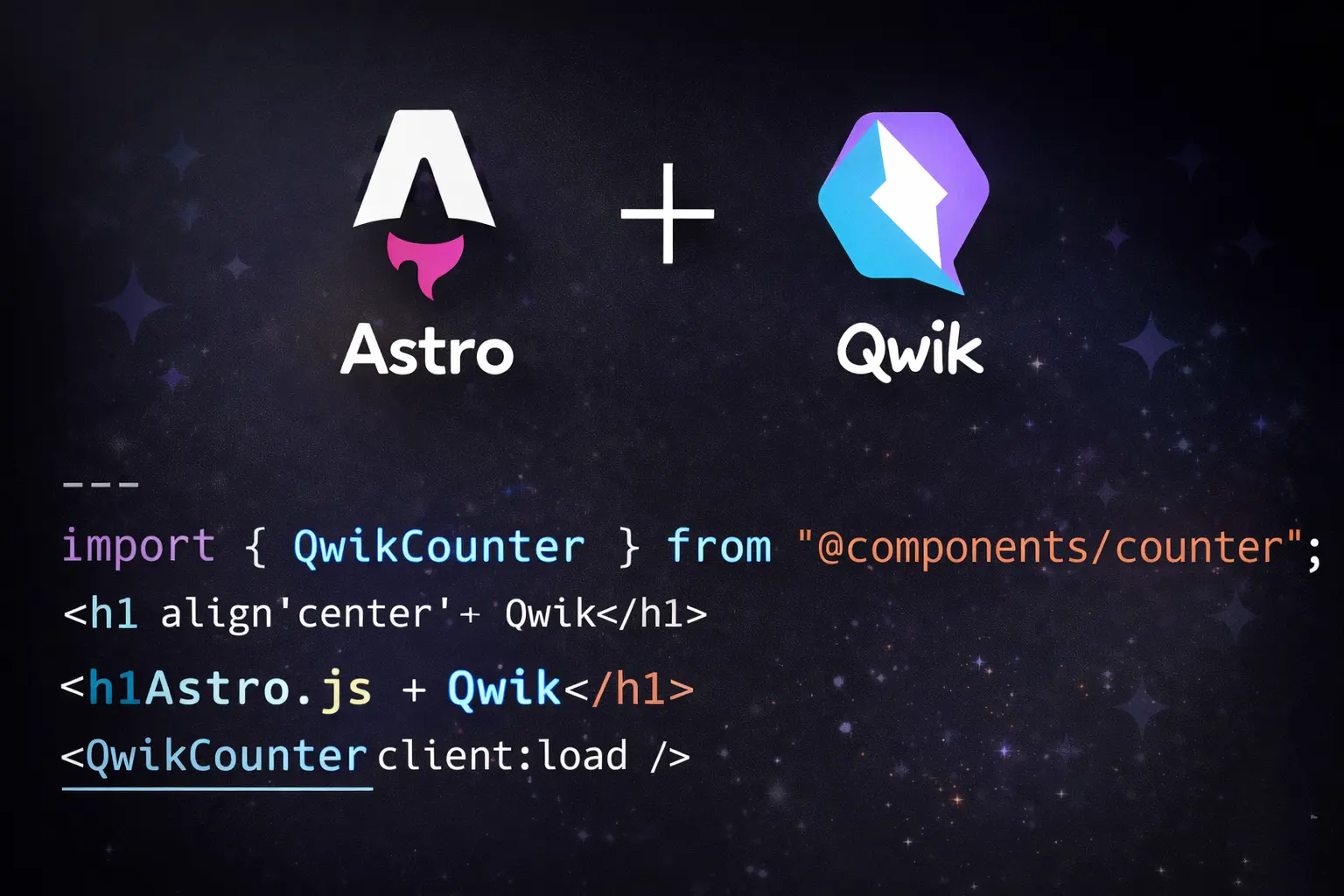
Astro / Qwik
Astro - Content-driven & quick
Astro is generally targeted at content-dense sites such as blogs, documentation sites, and marketing pages.
- Zero JavaScript by default
- Very fast load times
- Support React, Vue, Svelte, Or more
- Excellent SEO performance
Qwik – Instant loading apps
Qwik is based on the idea "resumability," where applications are immediately available without requiring extensive JavaScript processing.
- Faster initial load
- Better user experience
- Improved Core Web Vitals
Best for
- Blogs and content sites
- Marketing websites
- Performance-critical projects
- SEO-driven platforms
Popular brands using Astro / Qwik: Google, Cloudflare, Netlify, Builder, Nike.
For more tools that can boost your frontend development workflow, check out this guide on the most popular web developers IDEs — the right IDE can make coding faster and more enjoyable.
Comparison Table
| Framework | Performance | Development Speed | Best Use Case |
|---|---|---|---|
| React + Next.js | High | Very Fast | Business applications, Cloud-based software solutions, SEO Optimizeable websites |
| Svelte / SvelteKit | Very High | Very Fast | Mobile apps, start-ups, performance-oriented apps |
| Vue.js | High | Fast | Small to medium sized projects, dashboards, and administrative panels |
| Angular | High | Medium | Enterprise-level, complex applications |
| Astro / Qwik | Extremely High | Fast | Blogging, marketing sites, and content heavy websites |
Conclusion
The world of frontend development in 2026 is really great. Frontend development is getting better and better. New frameworks for frontend development are very good. They are quicker and smarter and easier to work with than frameworks for frontend development. This means that frontend development can deliver products faster. The good thing, about frontend development is that it does not compromise on quality or speed of frontend development.
The thing to do is not follow what everyone else is doing. Instead you should pick a framework that's a good fit for your project and the skills you have. If you use one of these frameworks in the way it will help you make really good web applications that are fast and work well for a lot of people. You will be able to make web applications that're high quality and scalable, with any of these frameworks.
In case you are working on a new project or upgrading an old one, it is a great opportunity to look into these Front-end technologies and take an educated decision for the future.